Flower Shaped Cat Trees — Pet Furniture Upgrade
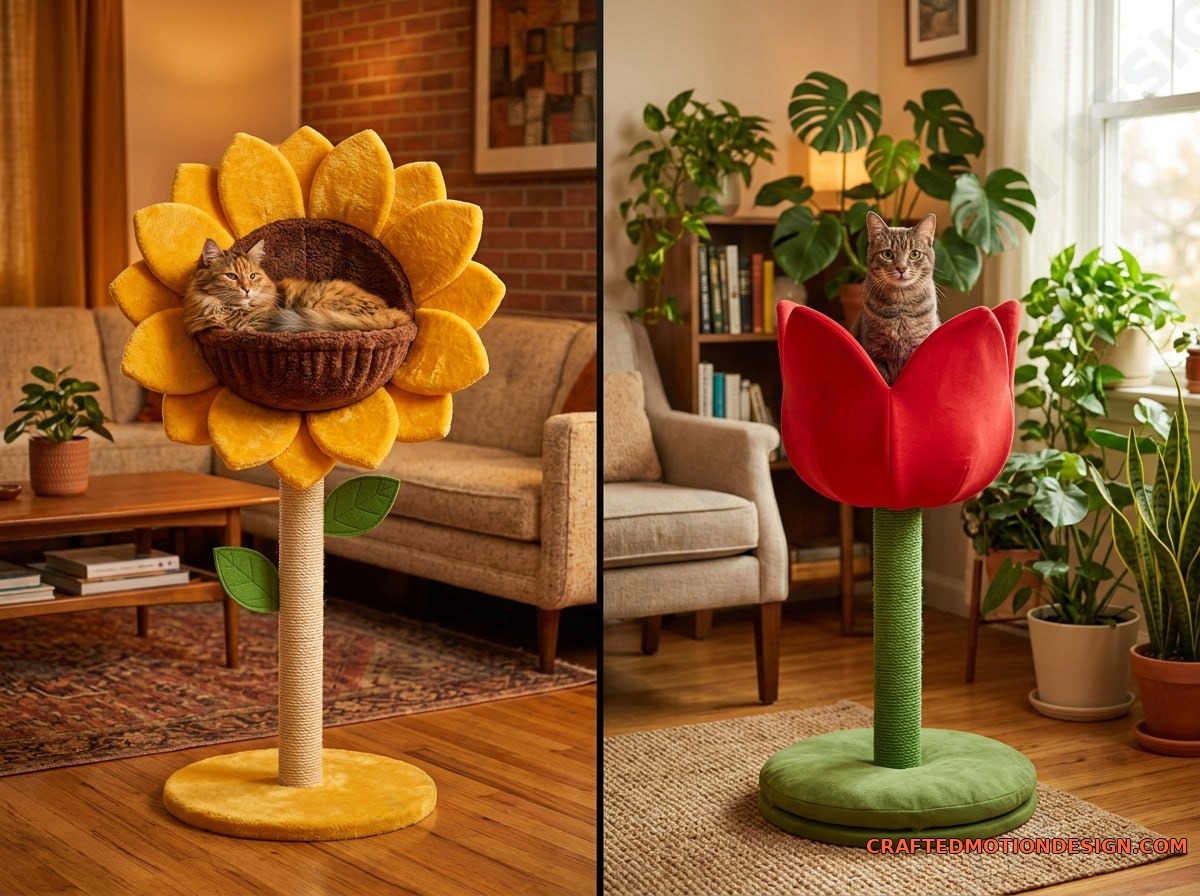
Most cat trees are an eyesore. You buy one, shove it in the corner, and try not to look at it. But flower shaped cat trees? They actually make your space look better. They’re bold, sculptural, and genuinely fun — and your cat will lose their mind for them. If you’ve been putting off buying a cat tree because nothing felt right, this might be the one that finally changes your mind.
What Is a Flower Shaped Cat Tree?
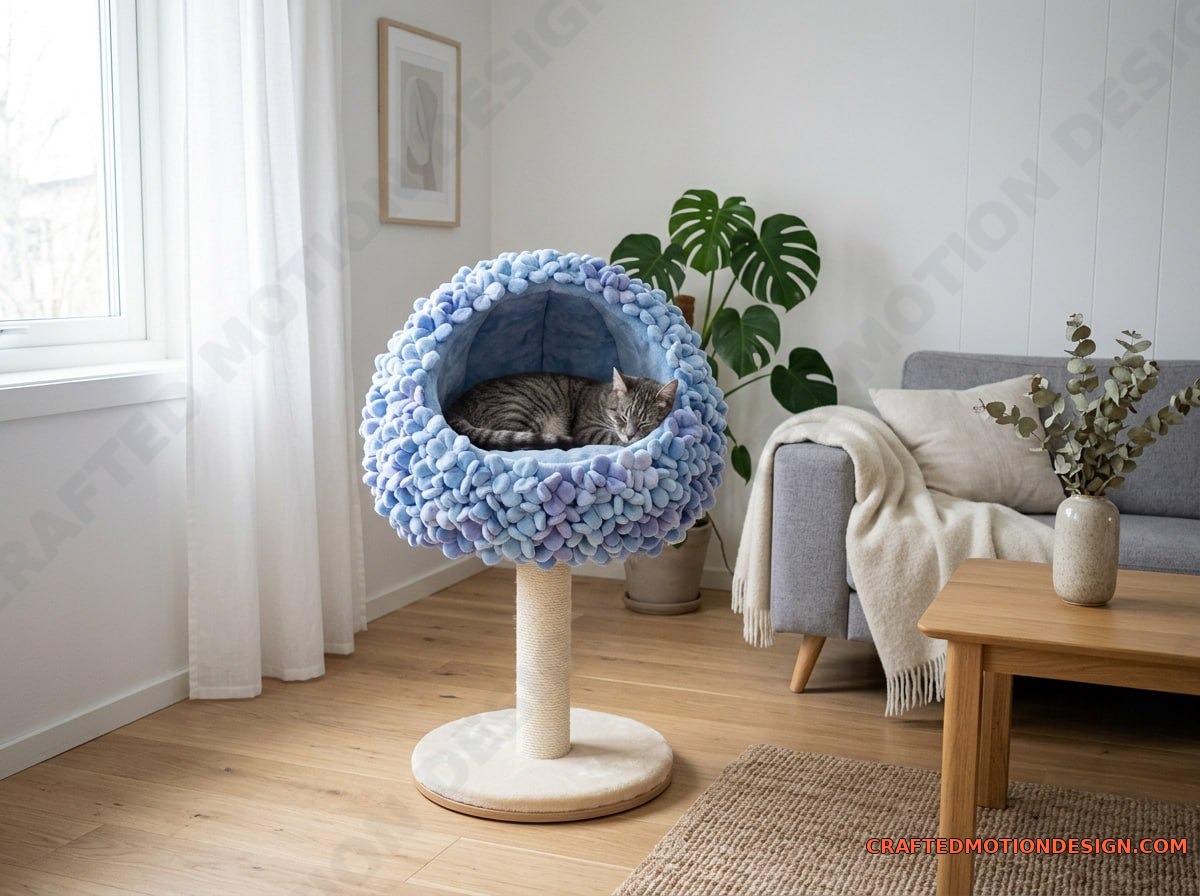
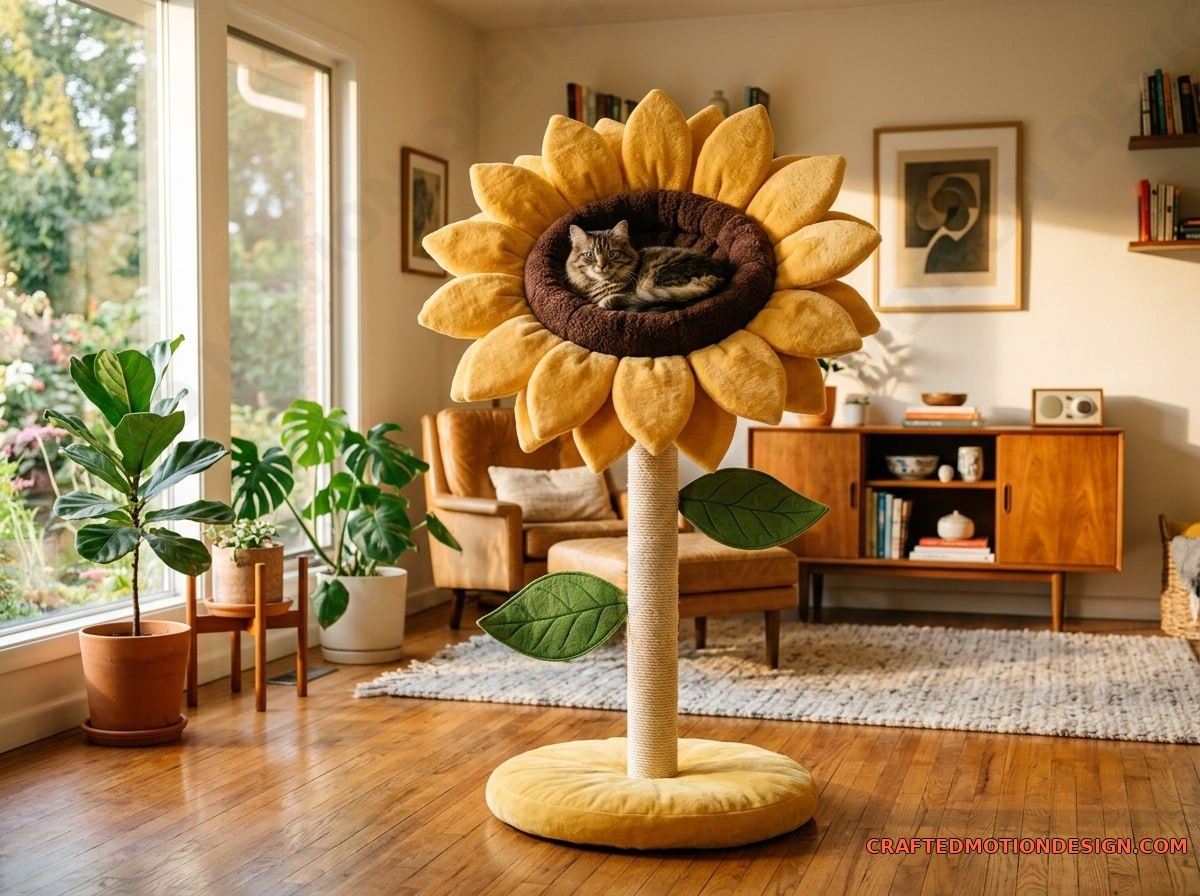
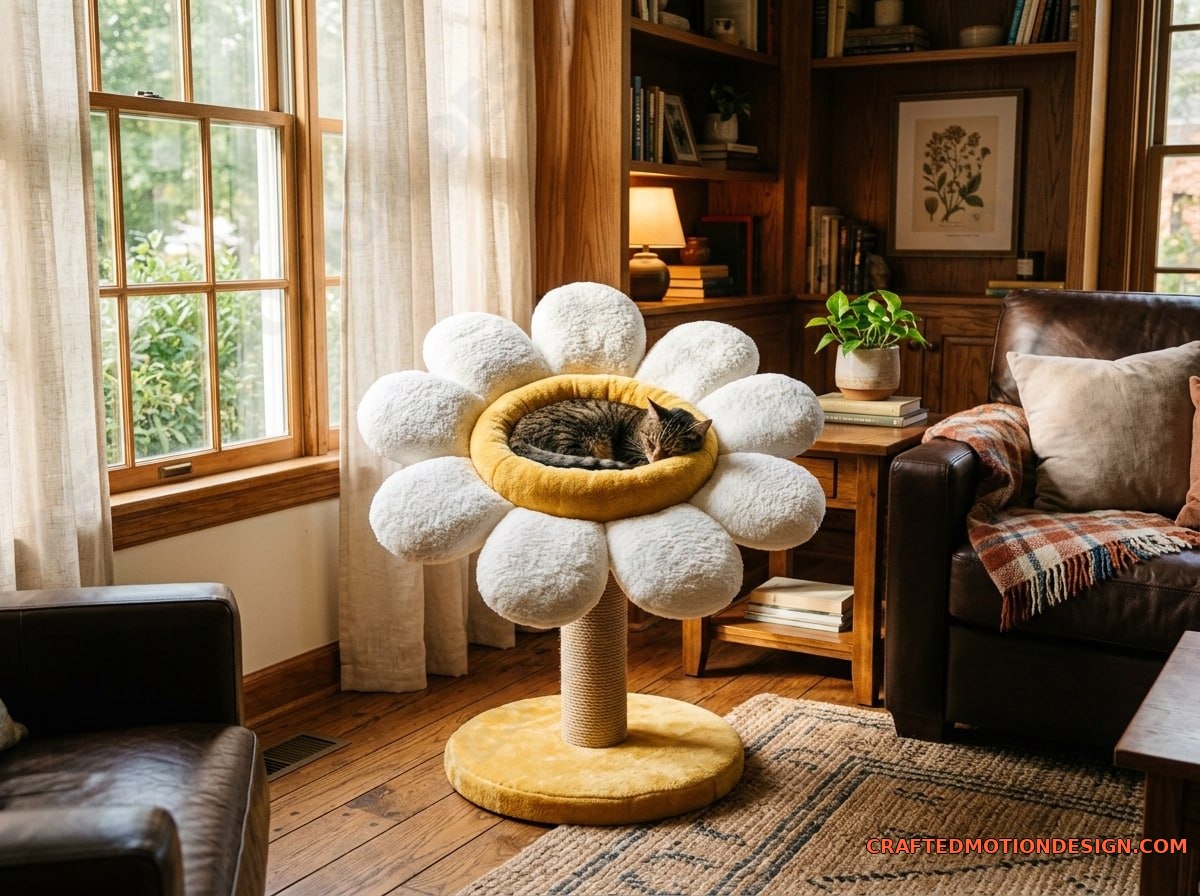
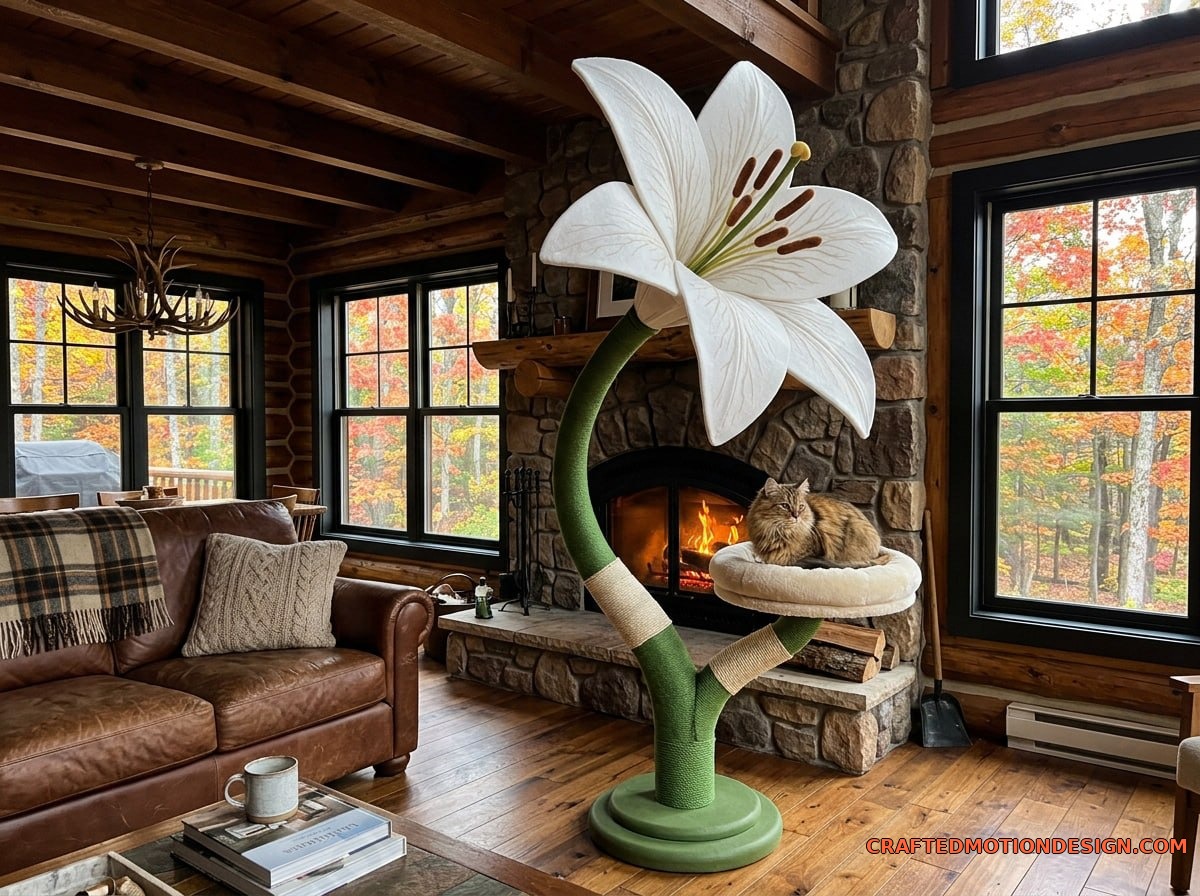
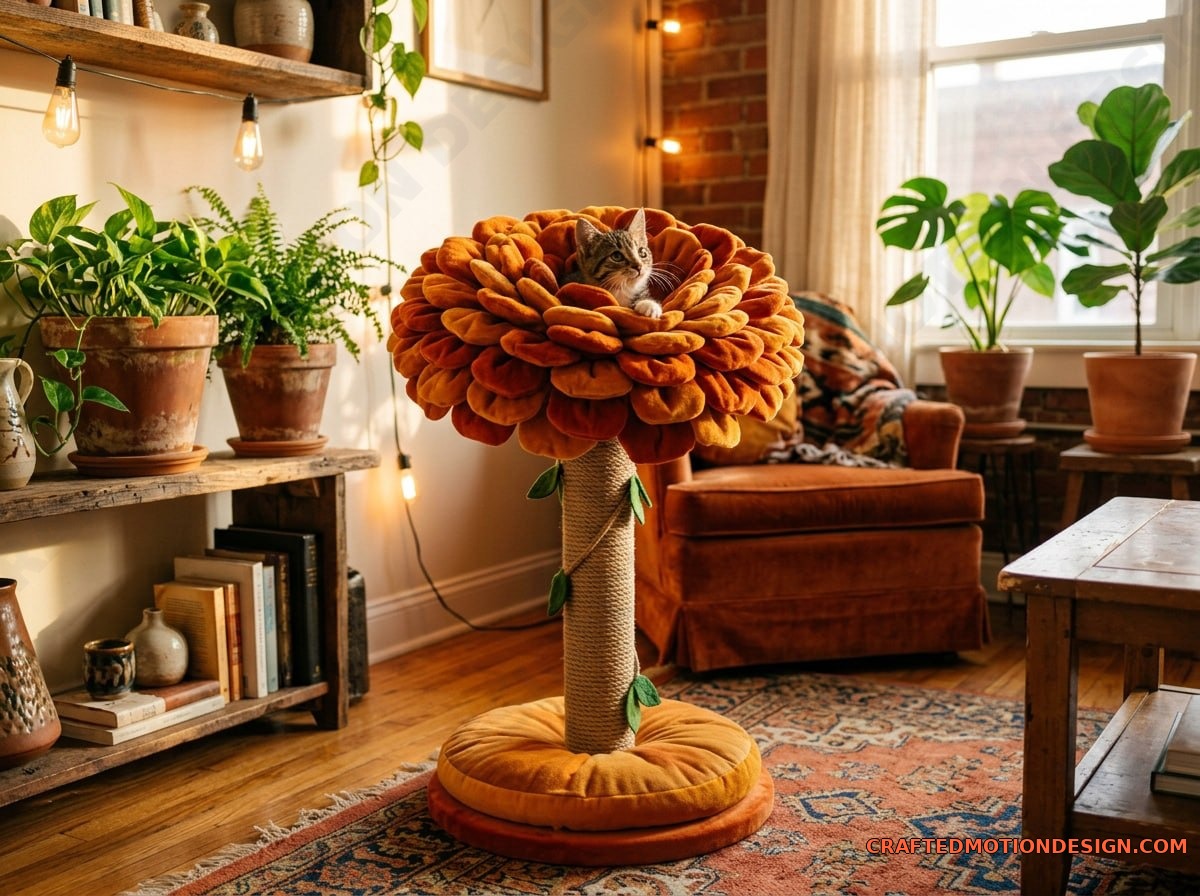
A flower shaped cat tree is exactly what it sounds like — a cat climbing structure designed to look like a large, stylized flower. The “petals” are typically individual platforms or perches that branch off a central trunk or pole, and the whole thing is usually covered in soft plush fabric or faux fur. Some look like abstract modern art. Others lean more literal, with rounded petal shapes and a clear stem base.
The concept pulls double duty. It functions as a full cat tree — giving your cat places to climb, perch, scratch, and lounge — while also working as a decorative accent piece in your home. That’s a combination that basically didn’t exist in the cat furniture world until recently. For years, the options were: boring beige carpet tower, or worse, bright carpet tower with a dangling toy that nobody asked for.
The flower design changes the whole game. Instead of hiding the cat tree, you’re displaying it. It becomes a conversation piece. People walk into your living room and notice it before they notice your couch. That’s either your nightmare or your dream — but honestly, it’s usually the dream.
Why Cat Owners Are Obsessed With These
The obsession makes complete sense once you think about what most cat owners actually want. They love their cats. They do not love turning their home into a climbing gym that looks like it came from a big-box pet store in 2003. The flower cat tree solves that tension in a way nothing else really has.
First, the aesthetic appeal is real. These trees show up in home decor content, interior design feeds, and apartment tours because they actually look intentional. When something looks designed rather than functional-only, it earns its place in a room. People are tired of apologizing for their cat furniture.
Second, cats genuinely love the platform layout. The petal design gives each cat their own space to claim. If you have multiple cats, this is huge. Instead of one cat owning the top platform and another one sulking on the floor, each petal becomes its own territory. Less conflict, more napping. That’s the goal.
Third, the height variety works perfectly for cats. They like being up high — it’s instinctual. A flower tree with multiple tiers at different heights lets your cat pick their preferred elevation depending on their mood. Morning stretch? Low petal. Watching the room? Top petal. Ignoring you completely? Middle petal, facing the wall.
And honestly, the photos are just better. This is the influencer-era reality of pet ownership. People photograph their cats constantly. A cat sitting on a sculptural flower perch looks dramatically better than a cat sitting on a beige carpet tube. That matters to a lot of people, and there’s nothing wrong with admitting it.
Where These Look Best in Your Home
Placement matters more with a flower cat tree than with a standard tower, because you’re actually working with it as a design element rather than hiding it. Here’s where these really shine.
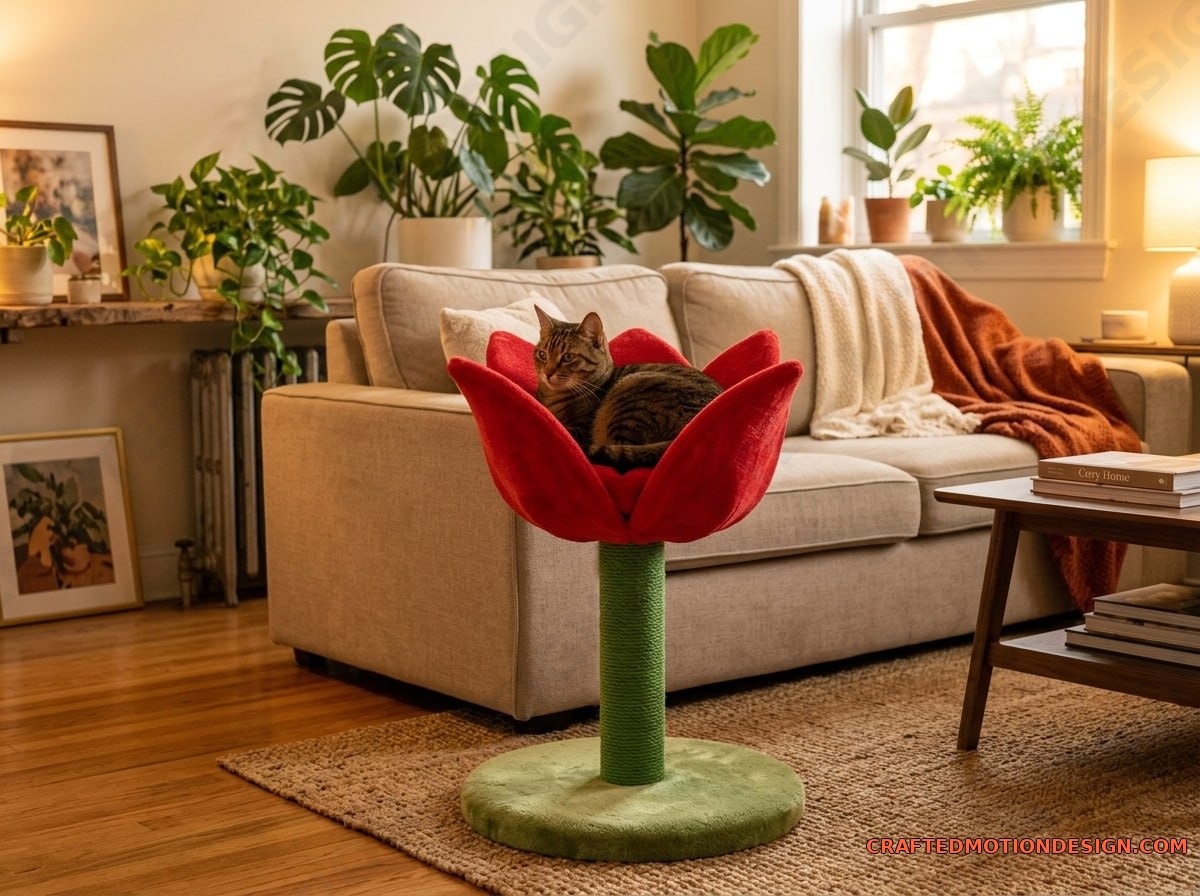
Living rooms are the obvious choice. Put it near a window so your cat can sun themselves on the petals while watching the street. Position it as a focal point — near the TV wall or beside a bookshelf — and it reads like intentional decor rather than an afterthought.
Reading nooks and corners work great too. A tall flower tree fills vertical space in a way that feels intentional. If you’ve got a dead corner that needs something, this beats a floor lamp that nobody ever turns on.
Bedrooms are underrated for cat furniture placement. Your cat is probably in your bedroom anyway. Having a proper perch near the window means they stay off your bed at 3am, which is either something you care about or you don’t. But the option is there.
Home offices are another solid option. If you work from home and your cat insists on being nearby, a flower tree next to your desk gives them their own zone without them sitting directly on your keyboard. Productivity hack, technically.
What to avoid: small hallways, cramped spaces where the petals will bump into furniture, and anywhere with heavy foot traffic that’ll knock it over. These trees are statement pieces. Give them room to breathe.
What a Flower Cat Tree Costs
The price range here is wider than you’d expect. Budget options start around $60 to $90 for smaller, simpler flower-style trees — usually one or two tiers, basic plush fabric, plastic hardware. These are fine for a single small cat, but don’t expect them to last years or handle a larger, more active cat.
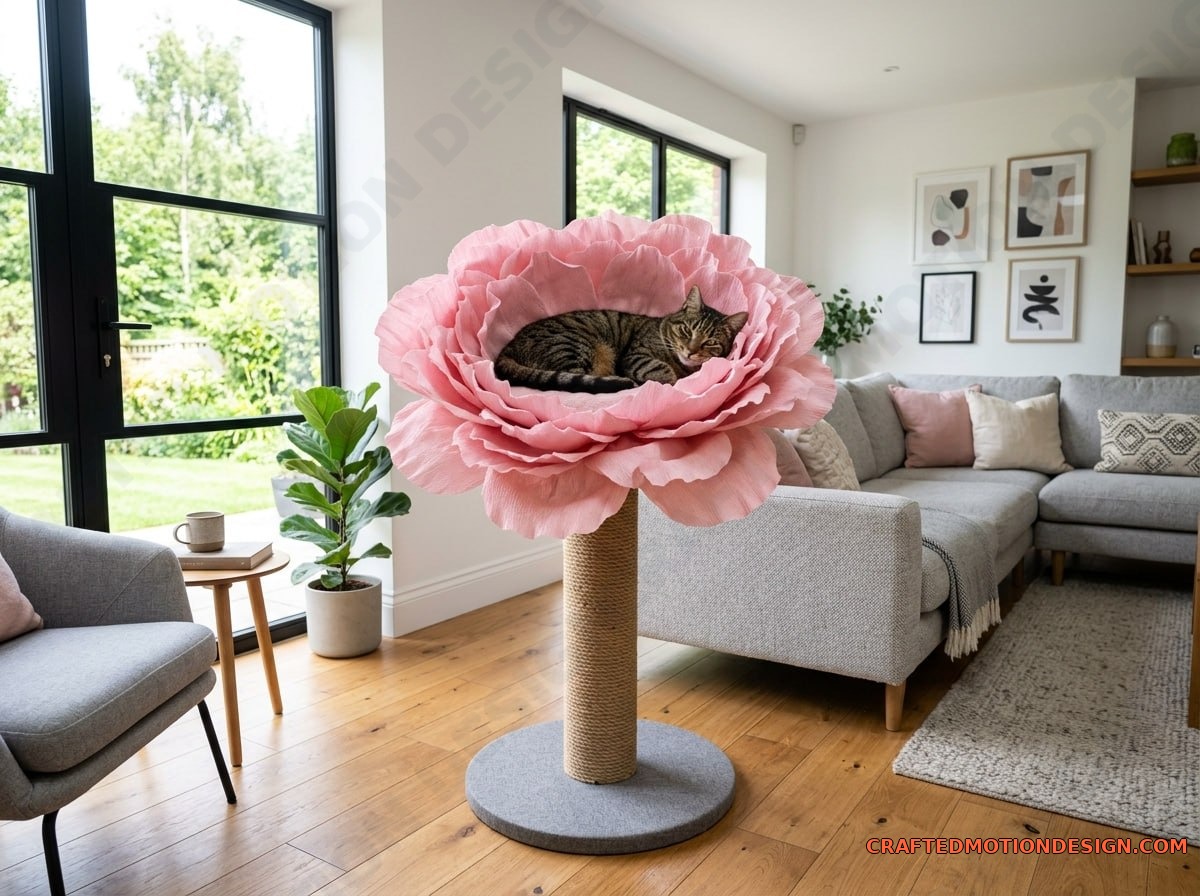
Mid-range flower trees run $100 to $200 and that’s honestly where the sweet spot lives. You start getting better build quality, thicker platforms, real stability, and fabric that won’t pill after two months. These are the ones you’ll find most often in the “aesthetic cat furniture” corners of the internet.
Premium and designer options can push $250 and up. Some handmade or boutique versions go much higher — $400 to $600 for custom pieces. Whether that’s worth it depends entirely on your budget and how much you care about having something truly one-of-a-kind. For most people, the $120 to $160 range does the job beautifully.
One thing worth noting: cheap flower trees can be a stability problem. If your cat is large or enthusiastic about climbing, a wobbly base is a safety issue. Don’t go too cheap on this one. The whole structure needs to handle a jumping, rolling, stretching cat without tipping.
How to Choose the Right One
Before you buy, run through a few quick checks. These will save you a return trip and a frustrated cat.
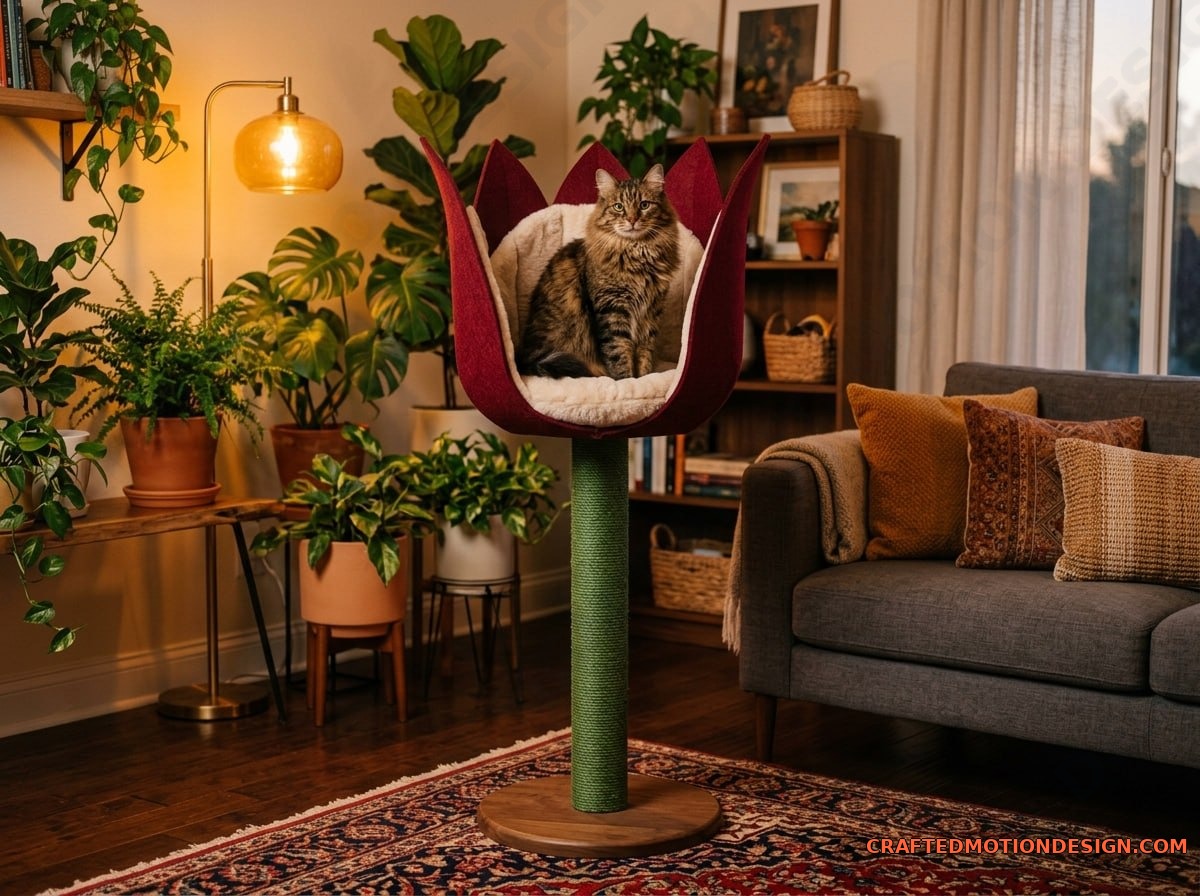
Base stability. This is the most important factor. Look for a wide, weighted base — not a thin disc that’ll tip the second your cat launches off a petal from across the room. If reviews mention tipping or wobbling, skip it.
Platform size. The petals need to actually fit your cat. A lot of cute flower trees have tiny platforms that work fine for a petite cat but are useless for a 14-pound tabby. Check dimensions. If the platform is under 10 inches across, think carefully about your cat’s actual size.
Height. Some flower trees are relatively short — 3 to 4 feet. Others go 5 to 6 feet tall. If your cat loves elevation, go taller. If you’re working with low ceilings or a small apartment, shorter might actually be the smarter choice.
Fabric quality. Cheap plush mats down fast and starts looking rough within weeks. Look for reviews that mention fabric holding up over time. Removable, washable covers are a bonus — especially if your cat has a shedding habit.
Color match. You’re buying this partly for the look, so actually compare the tree color to your room. White and cream work in almost any space. Pink and blush work great in certain aesthetics. Brown and earthy tones blend well with neutral rooms. Don’t just pick the first one that looks cute in the product photos.
Design Styles to Consider
Flower cat trees aren’t all the same, and the style variation is actually pretty interesting. Here’s a quick breakdown of the main looks you’ll encounter.
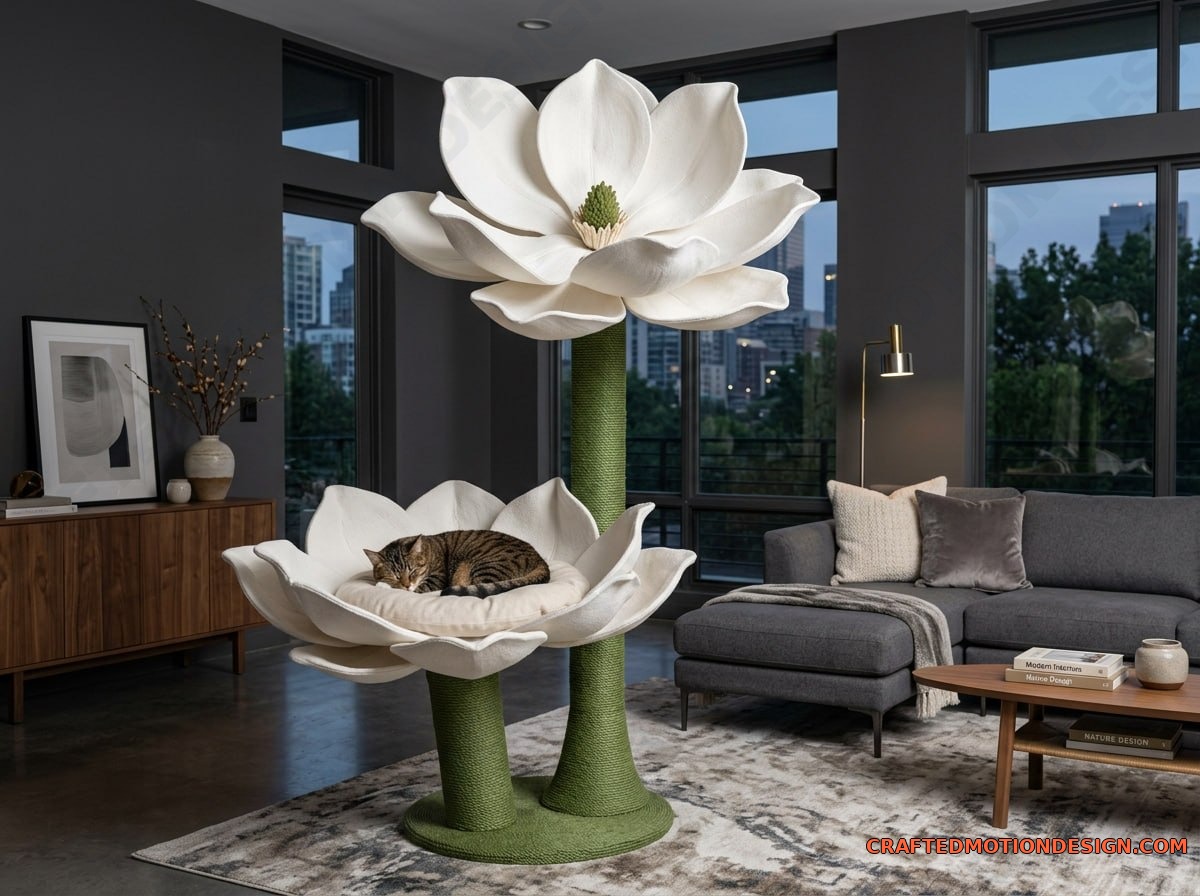
Minimalist modern. Clean lines, neutral colors, geometric petal shapes. These blend into contemporary and Scandinavian-style interiors. Usually white, gray, or off-white. Looks great in apartments with clean aesthetics.
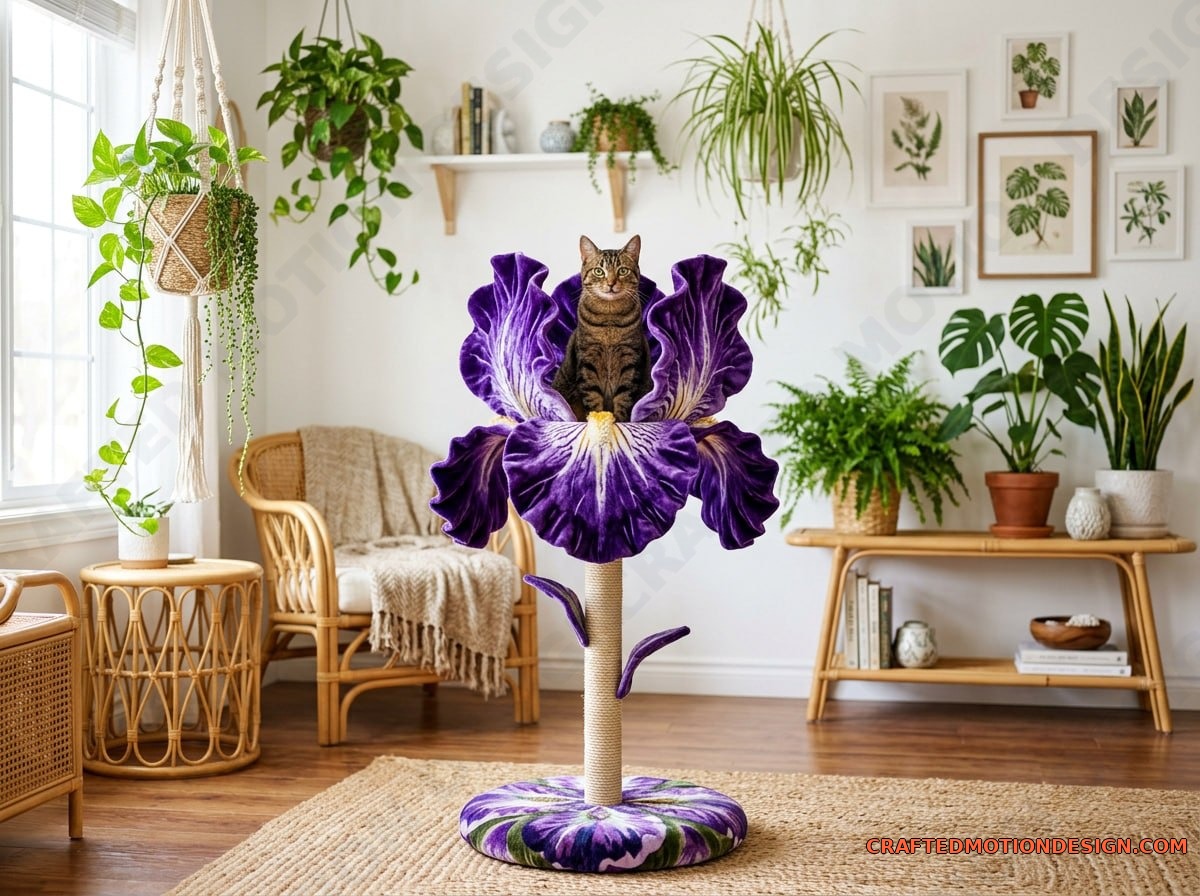
Boho and natural. Earthy tones, round soft shapes, sometimes paired with rope details or wooden elements. Works beautifully in warm, maximalist, or plant-heavy spaces. If your living room has a lot of wood and trailing plants, this is your vibe.
Playful and colorful. Bold pinks, yellows, teals. These lean into the whimsy fully and don’t apologize for it. If your space has some personality and you don’t take your decor too seriously, these are a lot of fun.
Sculptural statement. Some higher-end designs lean into abstract art territory — the “flower” reads more like a modern sculpture than a pet product. These work well in loft spaces, studios, or homes with an eclectic art-forward aesthetic.
Matching sets. A newer trend is buying a flower cat tree as part of a coordinated pet furniture set — matching bed, food station, scratching board. The overall effect is a pet corner that looks curated rather than accumulated. Worth considering if you’re building a dedicated space for your cat.
🛒 Shop Similar
Disclosure: This post contains affiliate links. If you buy through them, Crafted Motion may earn a commission at no extra cost to you.
Ready to upgrade your cat’s furniture game? These are our top picks:
- Flower-shaped cat trees — the real deal, multiple styles available
- Modern aesthetic cat trees — minimalist designs that actually look good
- Tall multi-level cat trees — for cats that love elevation
- Window cat perches — pair with any tree for the ultimate sun-napping setup
Final Thoughts
Flower shaped cat trees are one of those ideas that sounds like a gimmick until you actually see one in a real space. Then it just makes sense. Your cat needs somewhere to climb. Your home deserves furniture that looks good. These things solve both problems at the same time, and that’s genuinely rare in the pet furniture world.
The best time to make a change like this is when you’re already thinking about it. If you’ve been tolerating an ugly cat tower in your living room for the past two years, this is the sign to swap it out. Your cat won’t mind. Your guests will actually compliment it. And you’ll stop feeling like your home decor ends at the cat tree.
Start with your space, figure out what style fits, and don’t go too cheap on the base. Get that right and everything else is just details. Your cat will thank you — in their own way, which usually means using it once, ignoring it for a week, and then suddenly claiming the top petal as their entire personality.
You Might Also Like
- Wooden Ship Cat Playgrounds Turn Empty Walls Into a Full-Time Cat Adventure Zone
- Skull Shaped Washer and Dryer Sets Are the Most Unexpected Home Upgrade We’ve Seen
- These Guitar Aquarium Coffee Tables Are the Most Unique Piece of Furniture You’ll Ever See
Crafted Motion is a participant in the Amazon Services LLC Associates Program. Some links in this article are affiliate links — if you purchase through them, we may earn a small commission at no extra cost to you.