
Best Patio Privacy Screens for a More Private Backyard Space
Some images in this article may be AI-generated concept art. How Crafted Motion makes its content
Disclosure: This post contains affiliate links. If you buy through them, Crafted Motion may earn a commission at no extra cost to you.
How we picked these ideas
We focused on products and design ideas that fit the look, solve a real room or outdoor-space problem, and are easy for readers to compare. For shopping links, availability can change, so always check the current product details, measurements, materials, reviews, and return policy before buying.
If your backyard feels a little too exposed, patio privacy screens are one of the fastest upgrades you can make without committing to a full renovation. They block awkward sight lines, make a patio feel more finished, and give you a cleaner backdrop for everything from dinner outside to late night fire pit hangs. The best part is you do not need a contractor to get the effect. A good screen, a few planters, and the right placement can change the whole mood of the space in an afternoon.
Right now, people want outdoor spaces that feel more intentional and a lot less like they are sitting in the open. That is why patio privacy screens are showing up everywhere, from apartment balconies to suburban backyards to poolside lounge setups. They solve a real problem, and they do it in a way that can still look sharp.
Crafted Motion take: what I would actually buy
I would treat a privacy screen like outdoor architecture, not decoration. The best pick depends on what you need to block: neighbor windows, a street view, wind, or just visual clutter. For renters, I would stay freestanding and weighted. For homeowners, anchored slat panels or planter-box screens look more intentional and hold up better.
The mistake to avoid is buying the prettiest panel without checking height, base width, wind exposure, and whether the screen still looks good from the neighbor-facing side.
What Are Patio Privacy Screens?
Patio privacy screens are freestanding panels, folding dividers, fence extensions, or mounted partitions built to shield your outdoor area from neighbors, street views, wind, or visual clutter. Some are purely practical. Others double as decor with slatted wood, metal cutouts, faux greenery, or planter boxes built right in.
The reason they work so well is simple. They create a sense of enclosure without making your yard feel boxed in. You still get the light and airflow. You just lose that exposed, fishbowl feeling that makes a patio less usable.
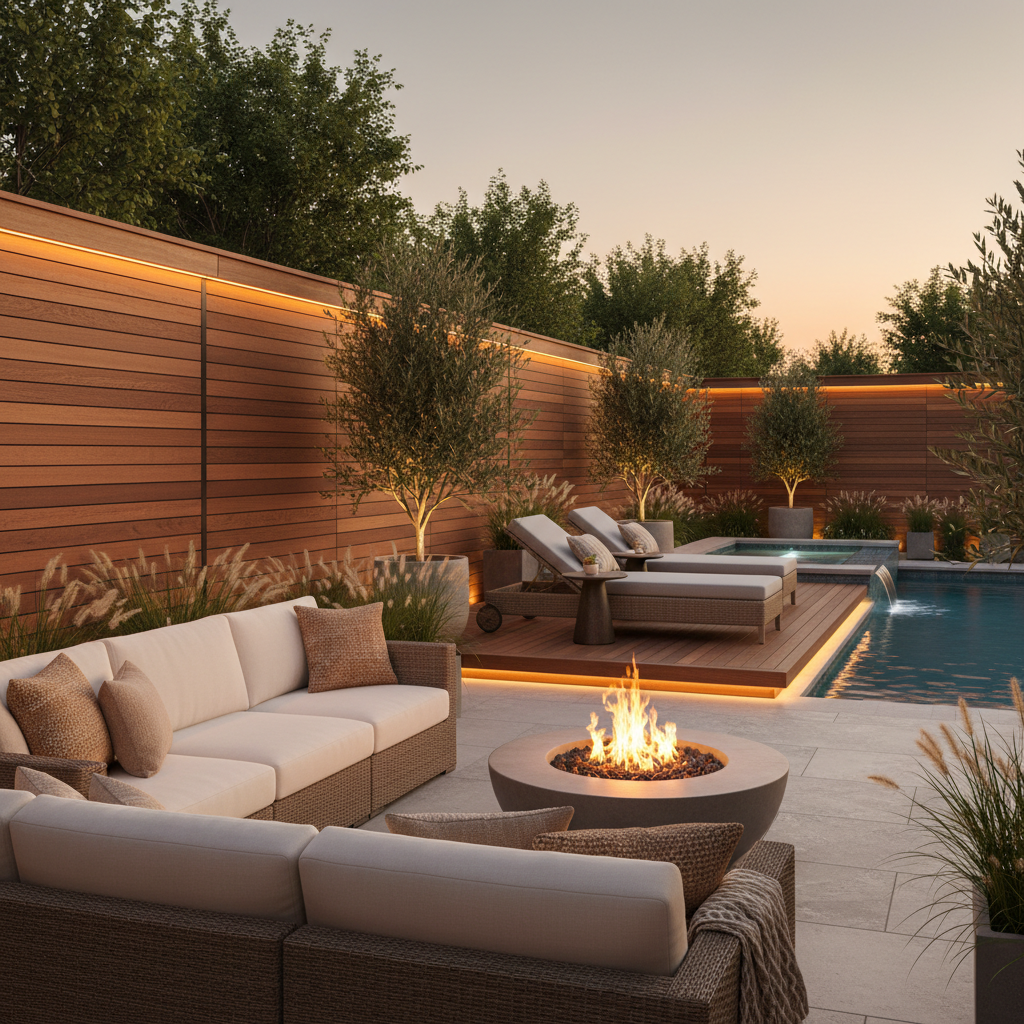
Why Privacy Screens Are a Practical Patio Upgrade
People are using their patios more than ever, but most outdoor spaces were not designed with privacy in mind. Builders pack houses close together. Apartment balconies face each other. Backyard fences are often too low, too open, or just ugly. A privacy screen fixes all of that fast.
They also help a patio look styled instead of temporary. Add one behind a seating area, grill station, or hot tub and the space suddenly feels planned. That matters if you care about the overall look, but it also matters if you are trying to make a small outdoor area feel more expensive than it really is.
Another reason people love them is flexibility. You can go with a natural wood look, a black metal panel, a woven resin divider, or a screen covered in faux ivy. Same function, completely different look. That makes them one of the easiest outdoor upgrades to match with what you already have.
Where Patio Privacy Screens Work Best
Backyard seating areas. This is the obvious one. Put a screen behind an outdoor sofa or dining set and you create a zone that feels tucked away and more comfortable immediately.
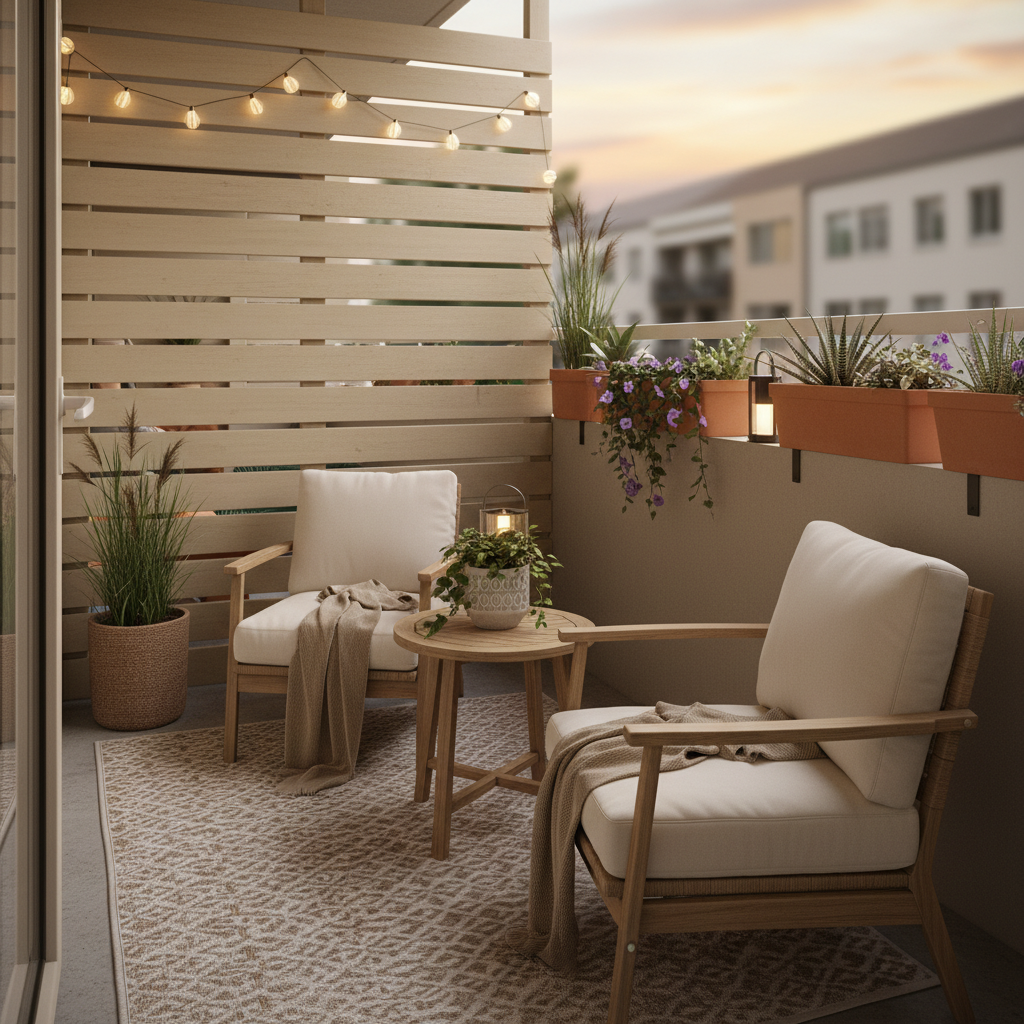
Apartment balconies. If you have a balcony and read like your neighbors can see every move you make, a slim privacy screen is the fix. Folding designs work especially well because they are easy to reposition.
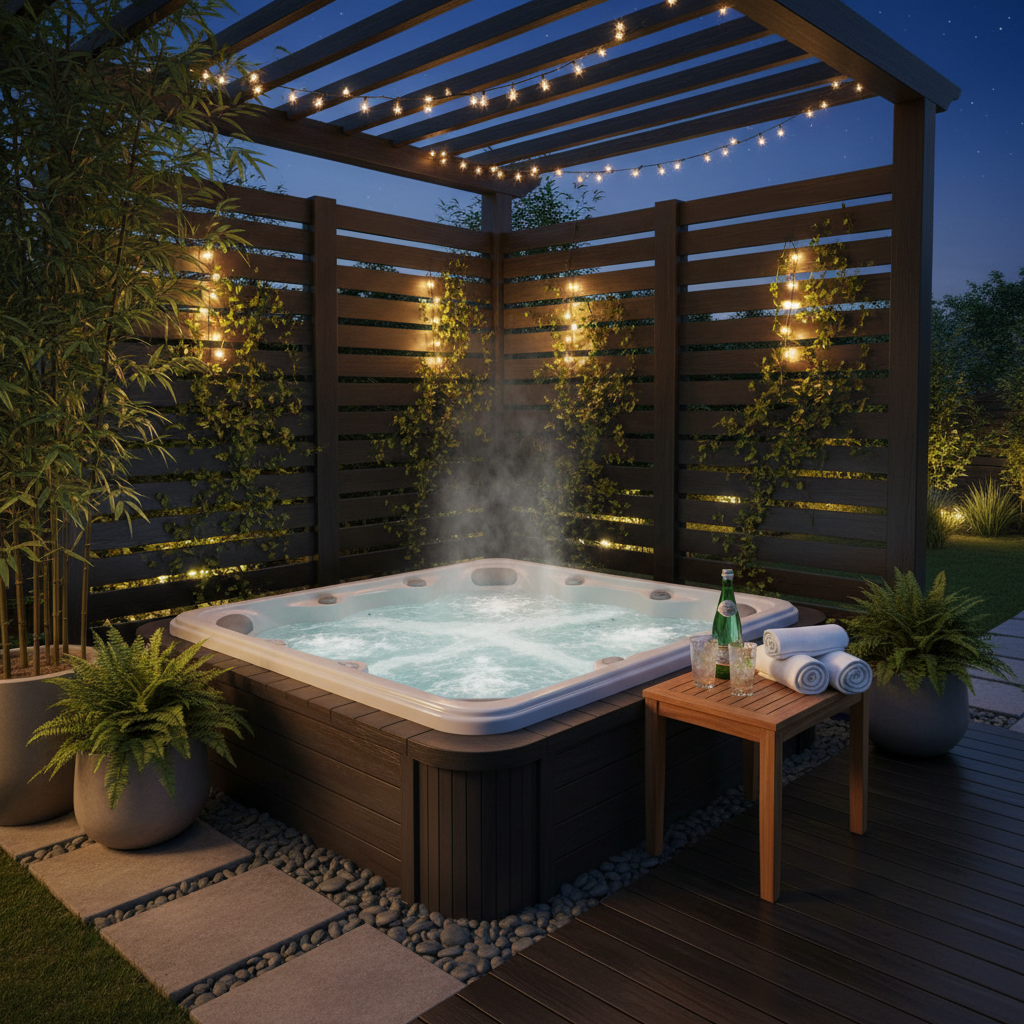
Hot tub corners. A lot of hot tub setups need privacy, but not everyone wants to build a pergola or full wall. Screens give you fast coverage and help the area feel more spa-like.
Poolside lounge spaces. If you want a little separation between the pool and the rest of the yard, screens can create a clean visual boundary while keeping the area open.
Outdoor kitchens and grill stations. Screens are great for hiding trash bins, AC units, or weird fence lines that ruin the look of an otherwise solid setup.
Cost Breakdown
The nice thing about this category is that you can get a noticeable upgrade without spending stupid money.
- Budget range, $60 to $120: Folding resin screens, lightweight metal panels, or basic balcony dividers. Best for renters, apartments, or quick seasonal setups.
- Mid range, $120 to $250: Better frames, stronger materials, nicer finishes, and often more height. This is the sweet spot for most patios.
- Premium range, $250 to $500+: Decorative laser-cut metal, modular wood systems, planter box combinations, and heavy duty outdoor builds that look more custom.
If you are trying to stretch the look, pair a mid range screen with string lights, oversized planters, or an outdoor rug. That combo makes the patio feel a lot more complete than the screen alone.
What to Check Before You Buy
Before you buy, measure the exact area you are trying to block. Most people guess, then end up with a screen that is either too short or too narrow to do anything useful.
After that, think about the kind of privacy you actually need. If the issue is a direct line of sight from one side, a folding screen is enough. If you are dealing with a second story view or a wide open fence line, you probably need multiple panels or a taller freestanding setup.
Material matters too. Wood looks warmer and more custom, but it usually needs more upkeep. Powder coated metal feels cleaner and lasts well outdoors. Resin and faux wicker are easy to live with, especially if you want something lightweight and low maintenance.
Wind is the detail people forget. If your patio gets hit hard, do not buy the lightest thing on the page and hope for the best. Look for wider feet, anchoring hardware, or planter base options that add weight.
Best Patio Privacy Screens to Buy Right Now
1. Folding Outdoor Privacy Screen Panels
This is the easiest entry point. A three panel folding screen works well for renters, small patios, and balconies because you can set it up fast and move it whenever you need. Look for weather resistant resin or powder coated frames that can handle sun and light rain.
Best for: apartments, balconies, temporary setups
Why it works: flexible, compact, easy to reposition
2. Freestanding Metal Patio Divider
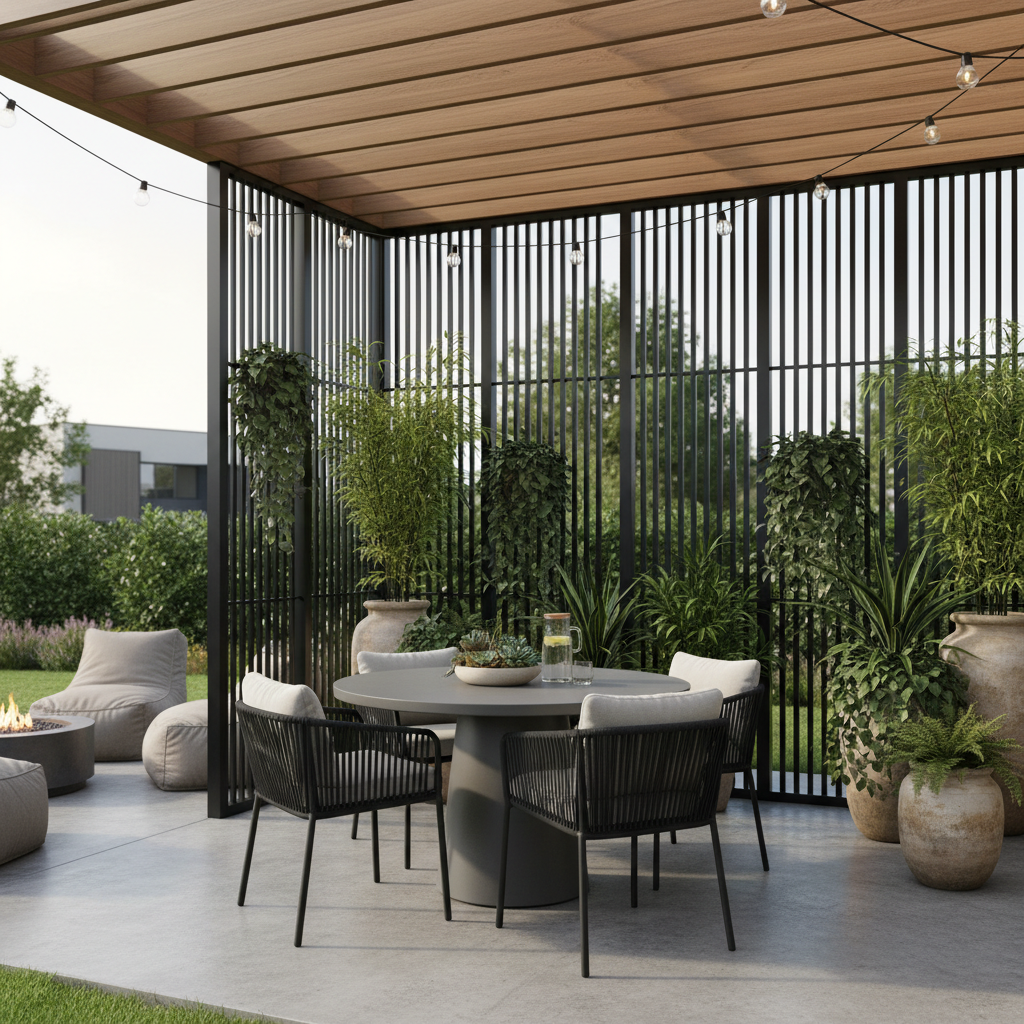
If you want something cleaner and more permanent looking, a freestanding metal divider is the move. The best ones have a matte black finish and a slatted or geometric design that feels modern without looking cold. These are especially good behind dining sets or lounge chairs.
Best for: modern patios, side yard privacy, dining areas
Why it works: durable, sharp looking, usually more stable than lightweight foldable options
3. Wood Slat Privacy Screen
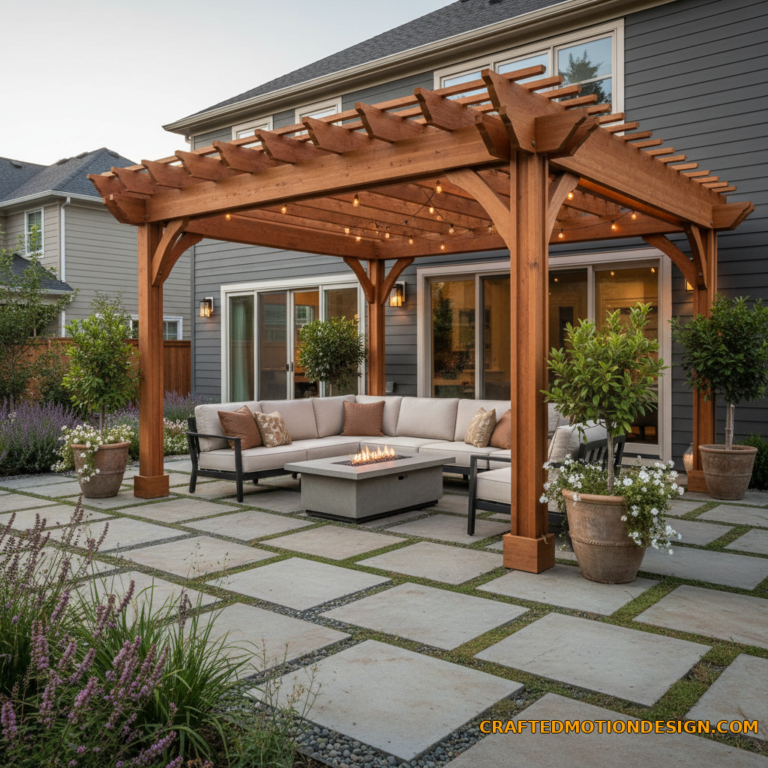
This one is for the patio that needs warmth. A wood slat screen makes the whole space feel more finished and custom. Cedar and acacia options tend to look best, especially with neutral furniture and warm lighting. If you want a high end look without building a full structure, this is the category to watch.
Best for: styled patios, backyard lounges, hot tub corners
Why it works: warmer look, upscale feel, great with natural textures
4. Privacy Screen With Planter Box Base
This is one of the smartest versions because it does two jobs at once. The lower planter base adds weight so the screen feels more secure, and the greenery softens the whole setup. Great if you want more privacy without introducing a hard wall effect.
Best for: patios that need privacy plus decor
Why it works: built in weight, more contrast, easier to style
5. Faux Ivy Privacy Panels
If you want coverage fast, faux ivy panels are still one of the most effective options. Done badly, they look fake and cheap. Done well, especially from a few feet back, they create a lush green wall effect that covers ugly fencing, rails, or neighboring views fast. This is also the fastest route if you want something close to that hidden patio look without doing another full biophilic concept post.
Best for: apartment balconies, fence coverups, fast makeovers
Why it works: instant coverage, softens harsh spaces, easy to install
What Changes Once the Sight Lines Are Blocked
What makes these worth buying is not just the privacy. It is the atmosphere. Once a patio has a visual boundary, it feels calmer. More usable. More deliberate. You stop feeling like you are borrowing outdoor space and start feeling like you actually have your own zone.
That is why they pair so well with other simple upgrades. Add a screen, then layer in a rug, some warm lighting, and a fire pit table, and suddenly your backyard feels like a place you want to stay instead of just pass through. If you need ideas for that second layer, check out our best outdoor string lights for patios and backyards, our roundup of the best fire pit tables that make any patio worth sitting at, and these resort style patio lounge ideas for layout inspiration.
Shop Similar
Disclosure: This post contains affiliate links. If you buy through them, Crafted Motion may earn a commission at no extra cost to you.
- Patio privacy screen outdoor for the fastest all around fix
- Folding outdoor privacy screen for balconies and smaller patios
- Metal patio privacy screen for a cleaner modern look
- Outdoor privacy screen with planter box if you want privacy and greenery together
- Faux ivy privacy screen outdoor for fast lush coverage
Final Thoughts
Patio privacy screens are one of those upgrades that feel small until you actually add one. Then the whole patio works better. You get better sight lines, a more finished look, and a space that feels way more comfortable to use. For the money, that is hard to beat.
If your backyard or balcony feels exposed, start here. It is one of the quickest ways to make an outdoor space feel intentional, private, and a lot more expensive than it was the day before.
What actually matters with patio privacy screens
Privacy screens are one of those products where the wrong choice feels fine for about a week. Then the wind hits it, the panels lean, or you realize it blocks light in the worst possible spot. If I were fixing a real patio, I would decide first whether the problem is neighbors, wind, ugly views, or sun. Those are four different problems.
For renters or quick fixes, freestanding screens and tall planters make sense. For a house you plan to stay in, I would rather use a mounted panel, a slatted wood wall, or a pergola side screen. Permanent privacy almost always looks better when it feels built into the patio instead of dropped in front of it.
What I would avoid
- Very light folding screens: They move too easily outside unless they are weighted or protected from wind.
- Fake greenery with no structure: It can look okay from ten feet away, but up close it often feels cheap.
- Solid walls everywhere: Privacy is good, but turning a patio into a box makes it feel smaller and hotter.
The best setup usually mixes one hard screen, one soft planting layer, and enough open space that the patio still breathes.