
Inflatable Cave Waterfall Pools for Backyards
Affiliate disclosure: This post may contain affiliate links. If you make a purchase through these links, Crafted Motion may earn a commission at no extra cost to you.
Somewhere between “that’s a real thing?” and “I need this immediately,” inflatable cave waterfall pools have carved out a very specific place in the backyard upgrade conversation. They look like something out of a luxury resort Instagram reel, they set up in a weekend, and they cost a fraction of what you’d pay for a permanent structure. If you haven’t seen one yet, you will, because these things are spreading fast.
What Are Inflatable Cave Waterfall Pools?
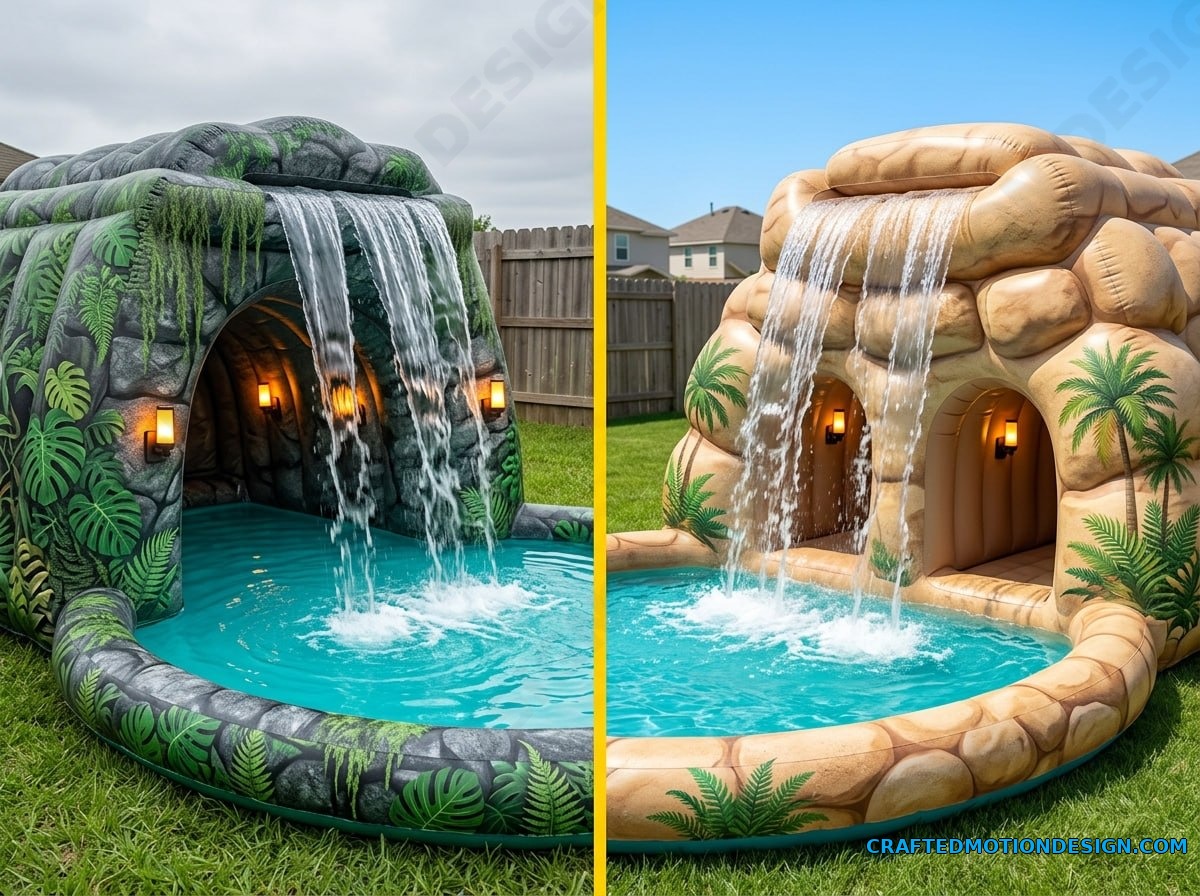
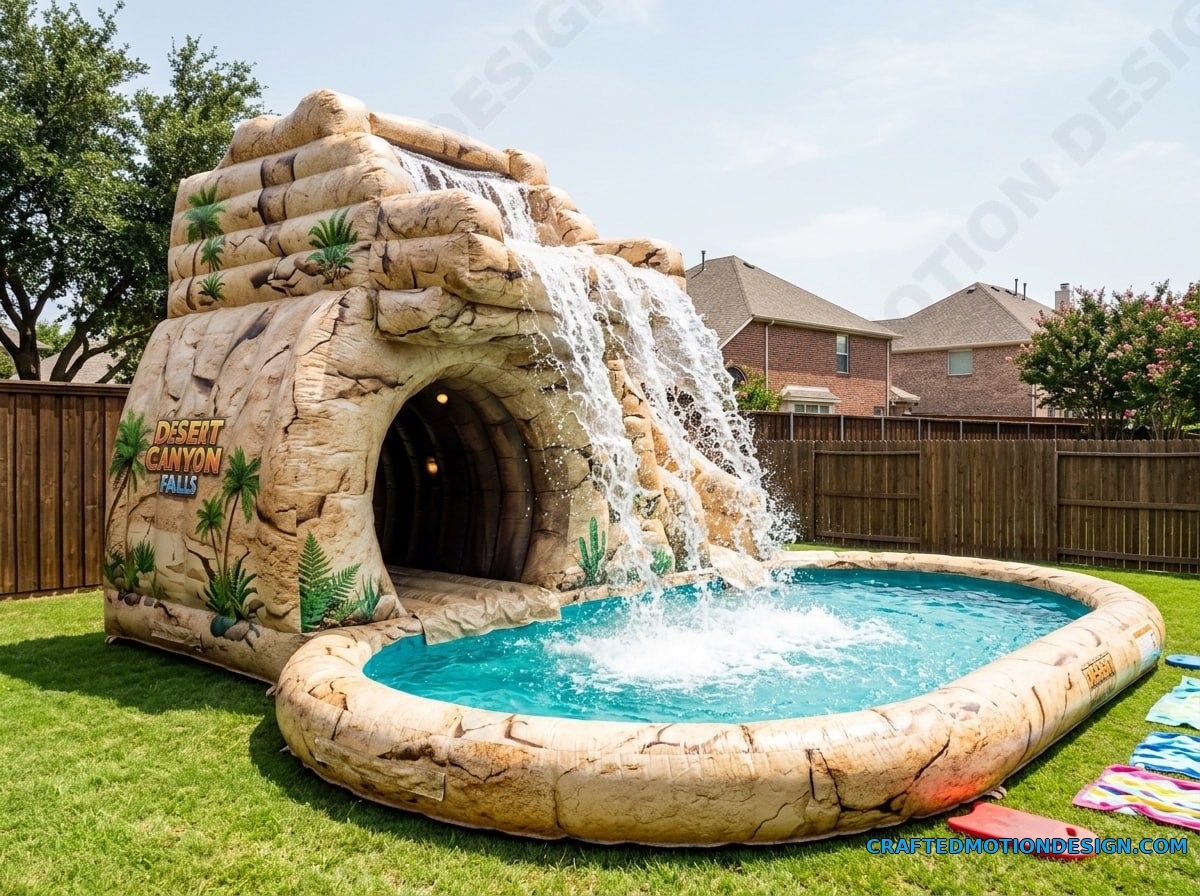
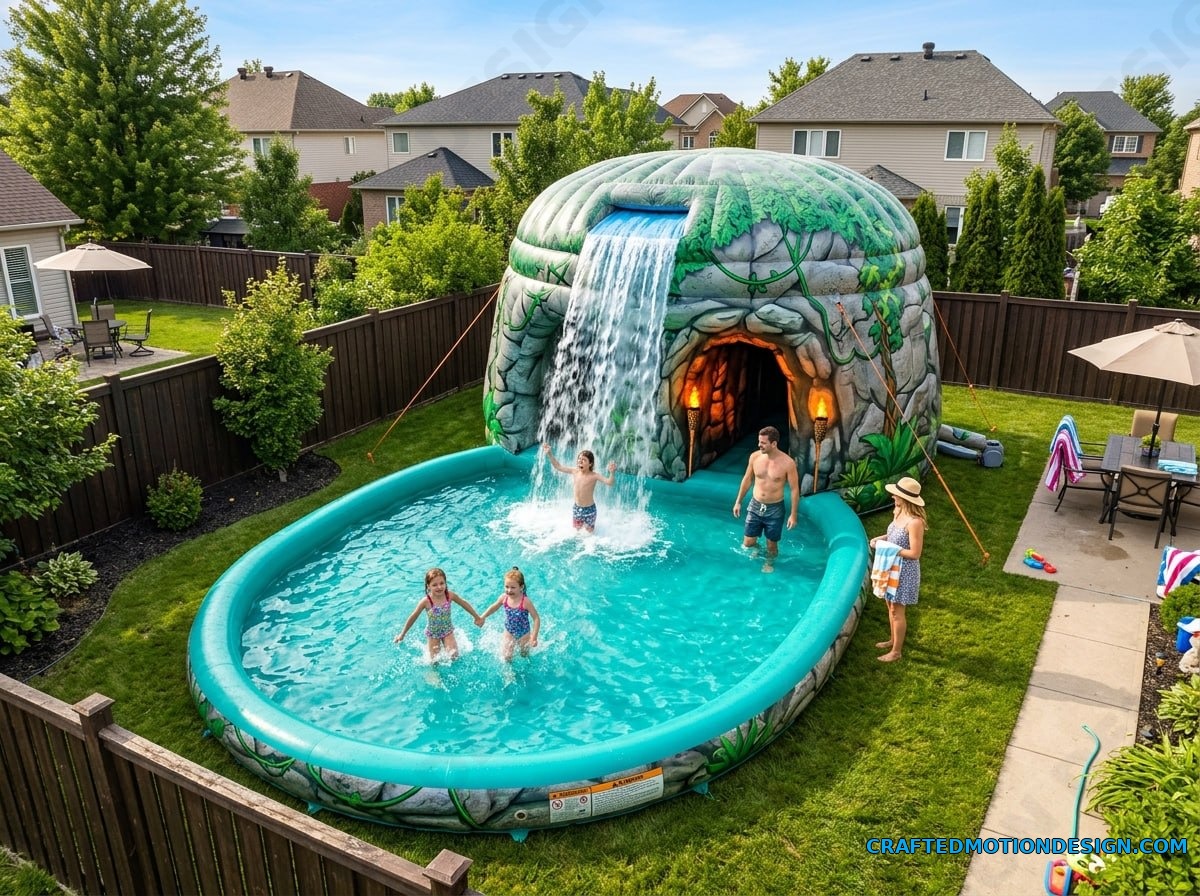
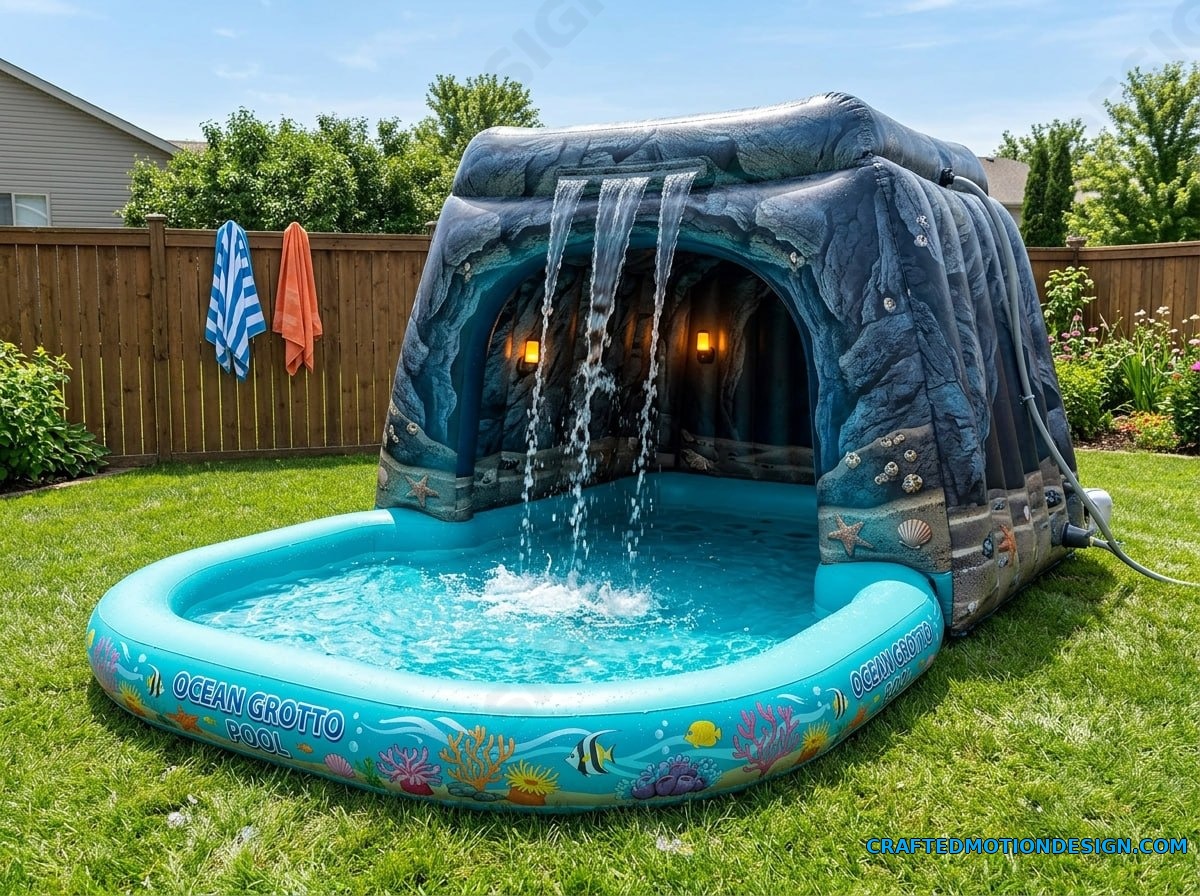
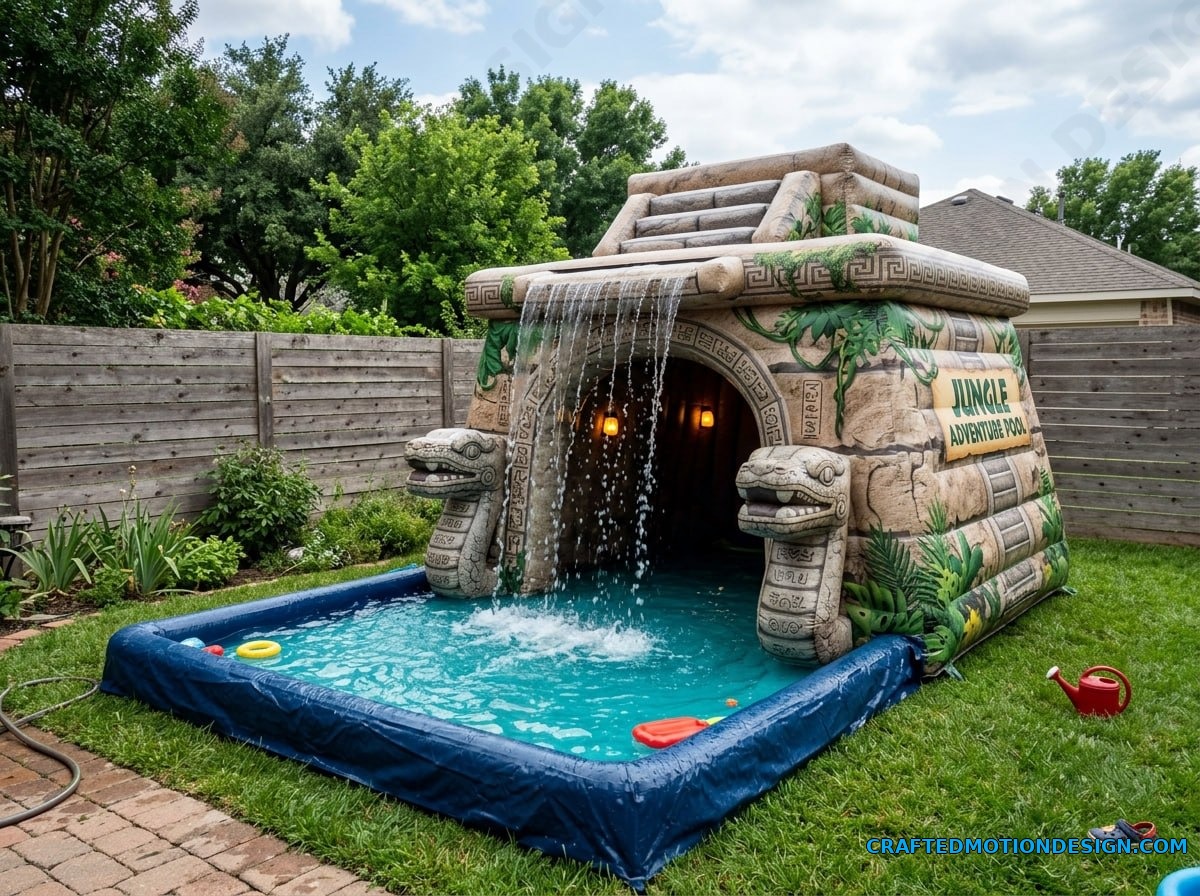
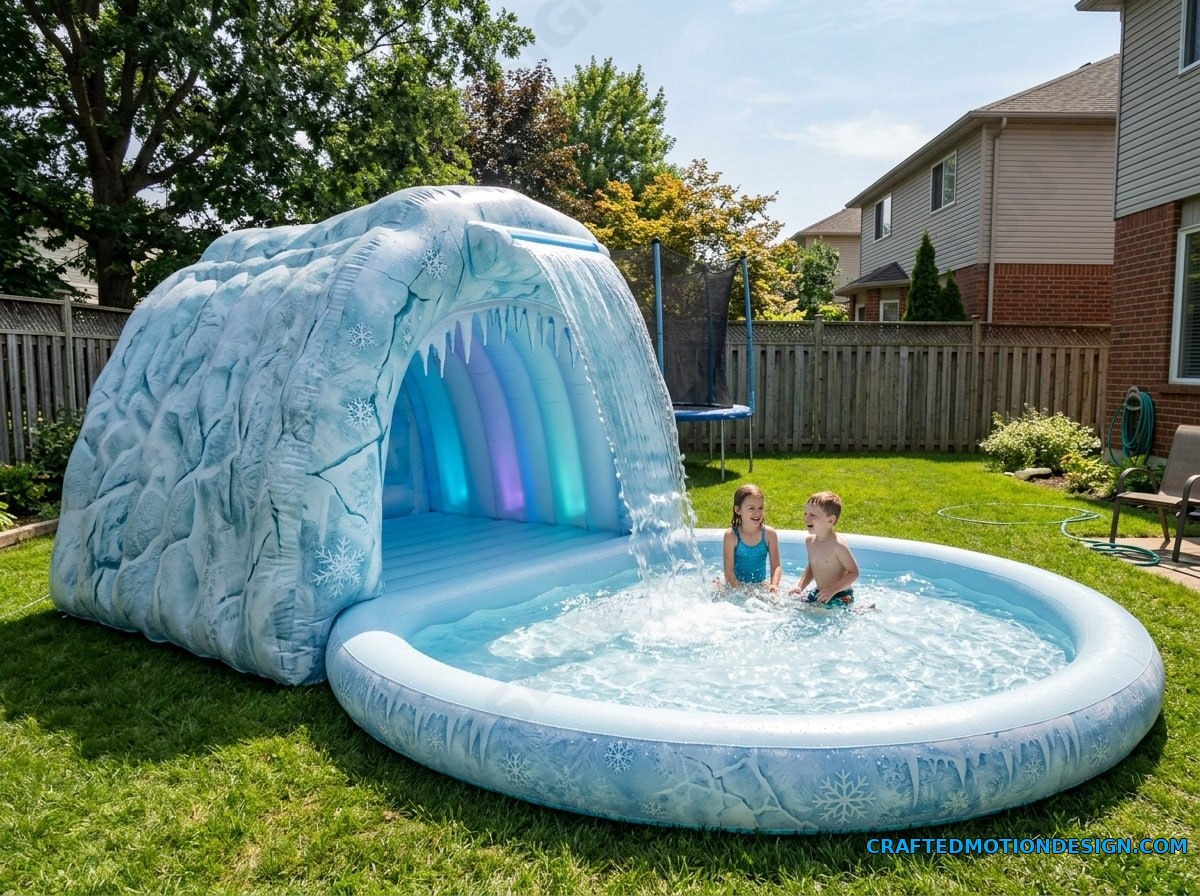
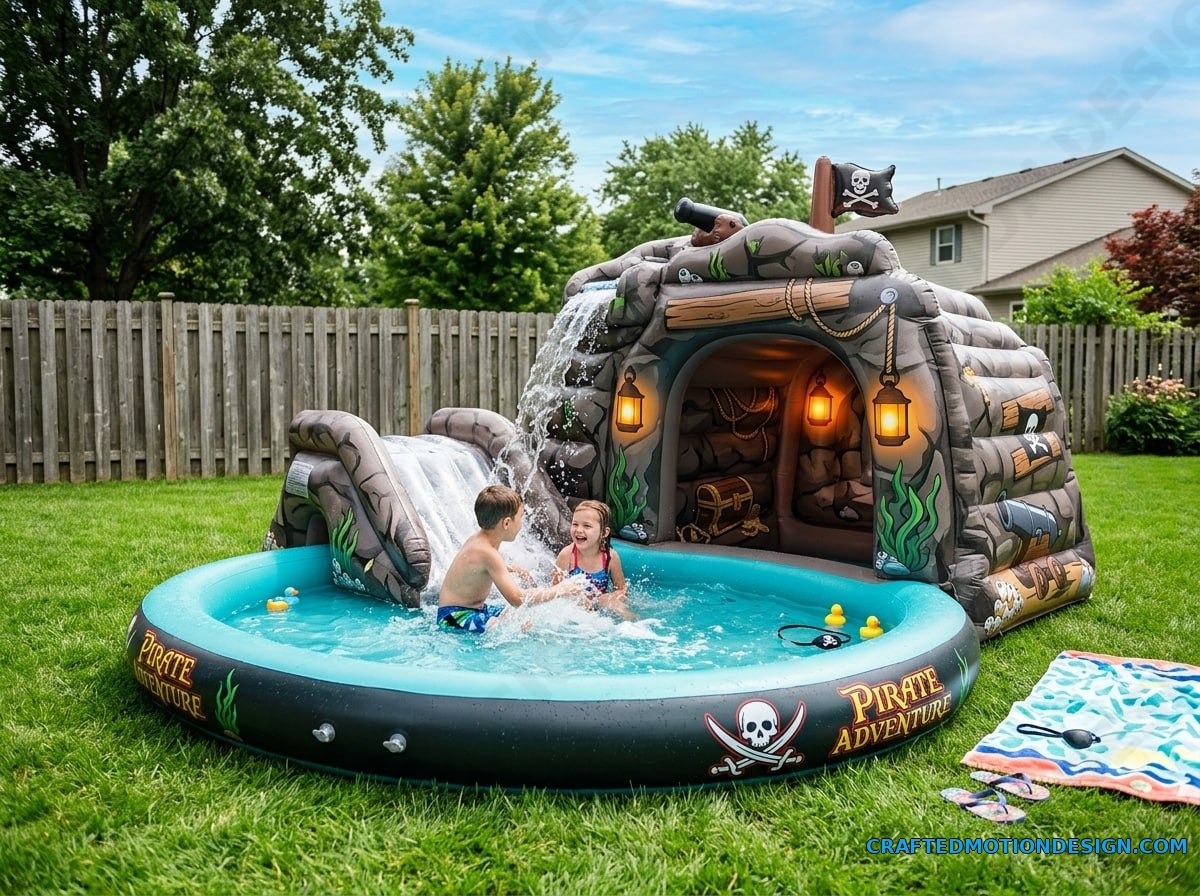
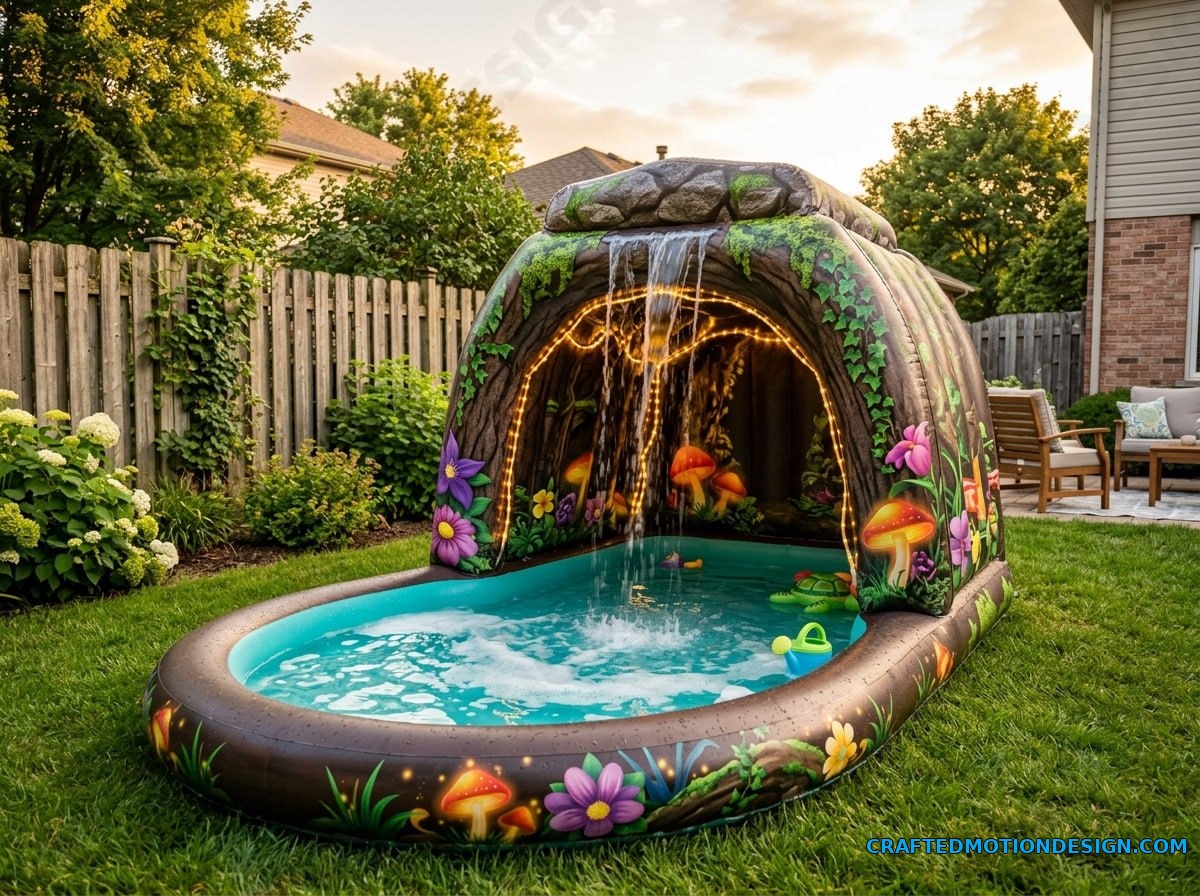
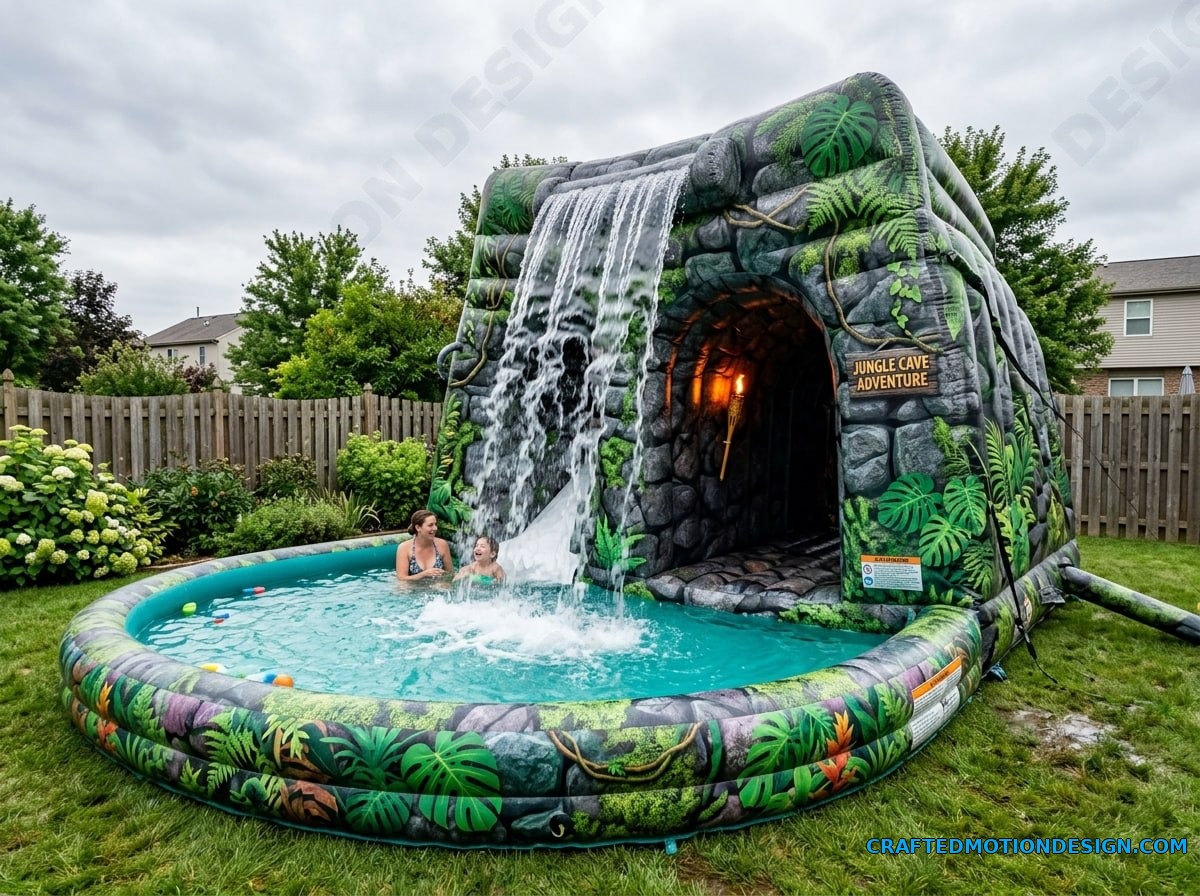
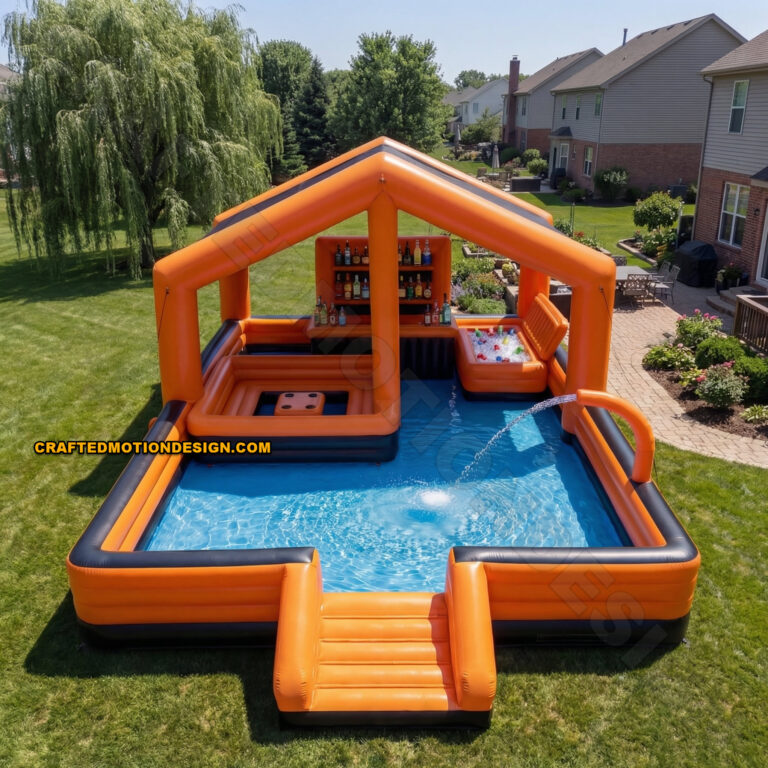
The name pretty much explains it, but the execution is way more impressive than it sounds. An inflatable cave waterfall pool is essentially a large inflatable structure that combines a covered cave-like canopy or tunnel with a built-in waterfall feature that cascades into an attached pool. Think: a blow-up grotto that you can actually swim in.
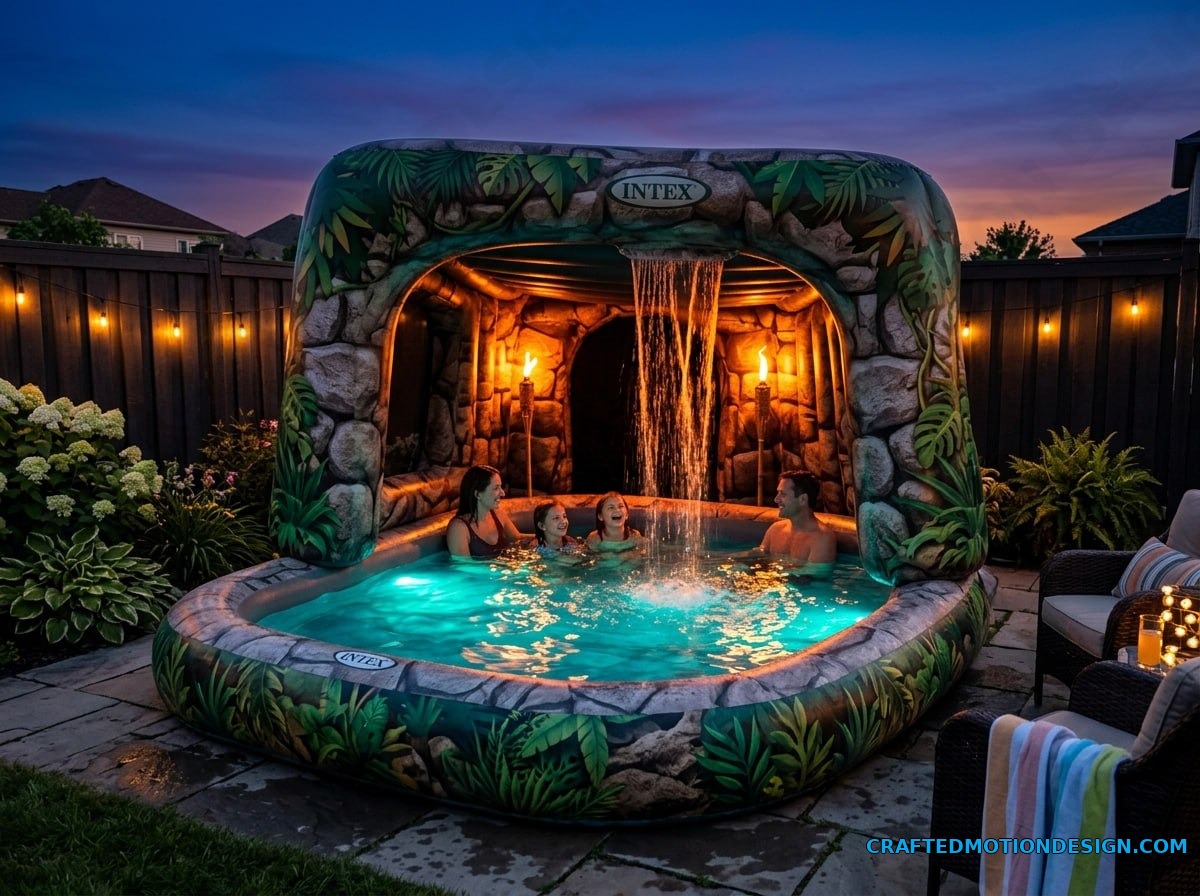
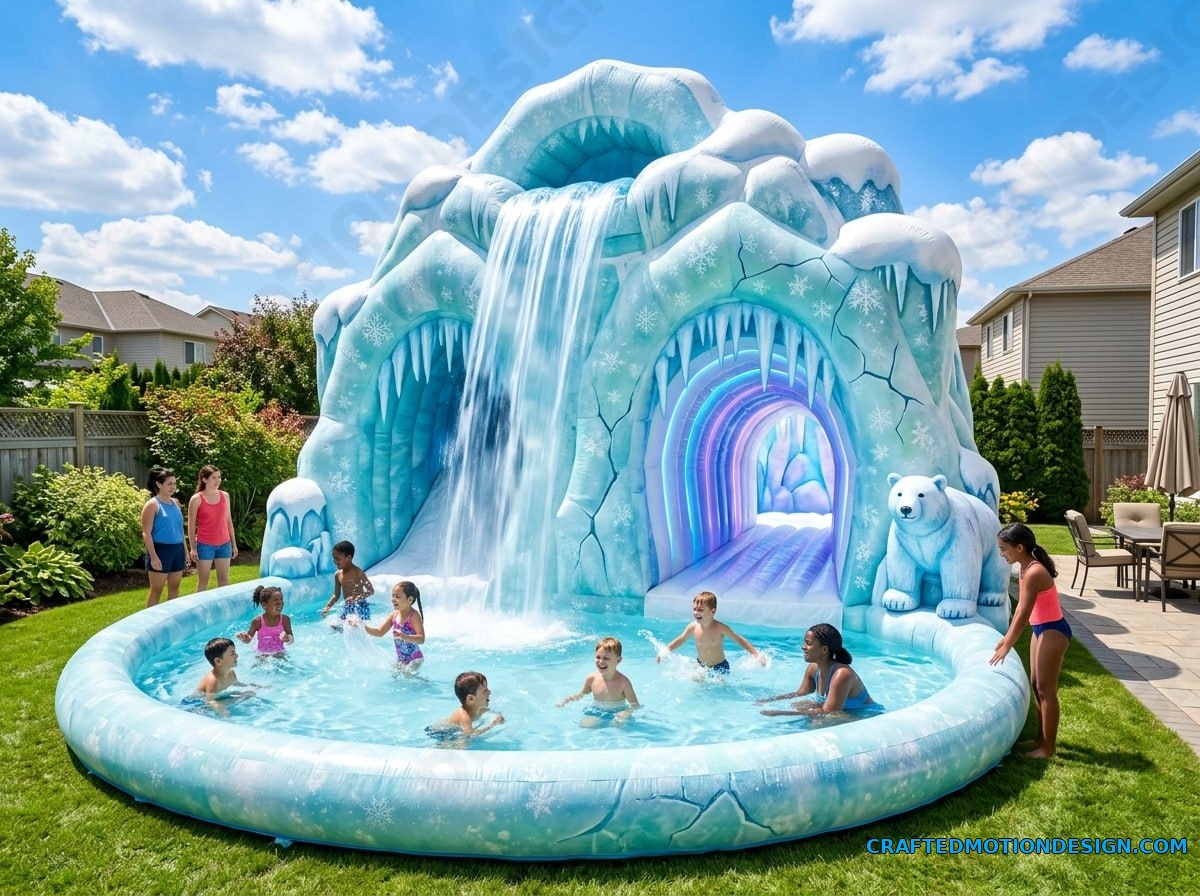
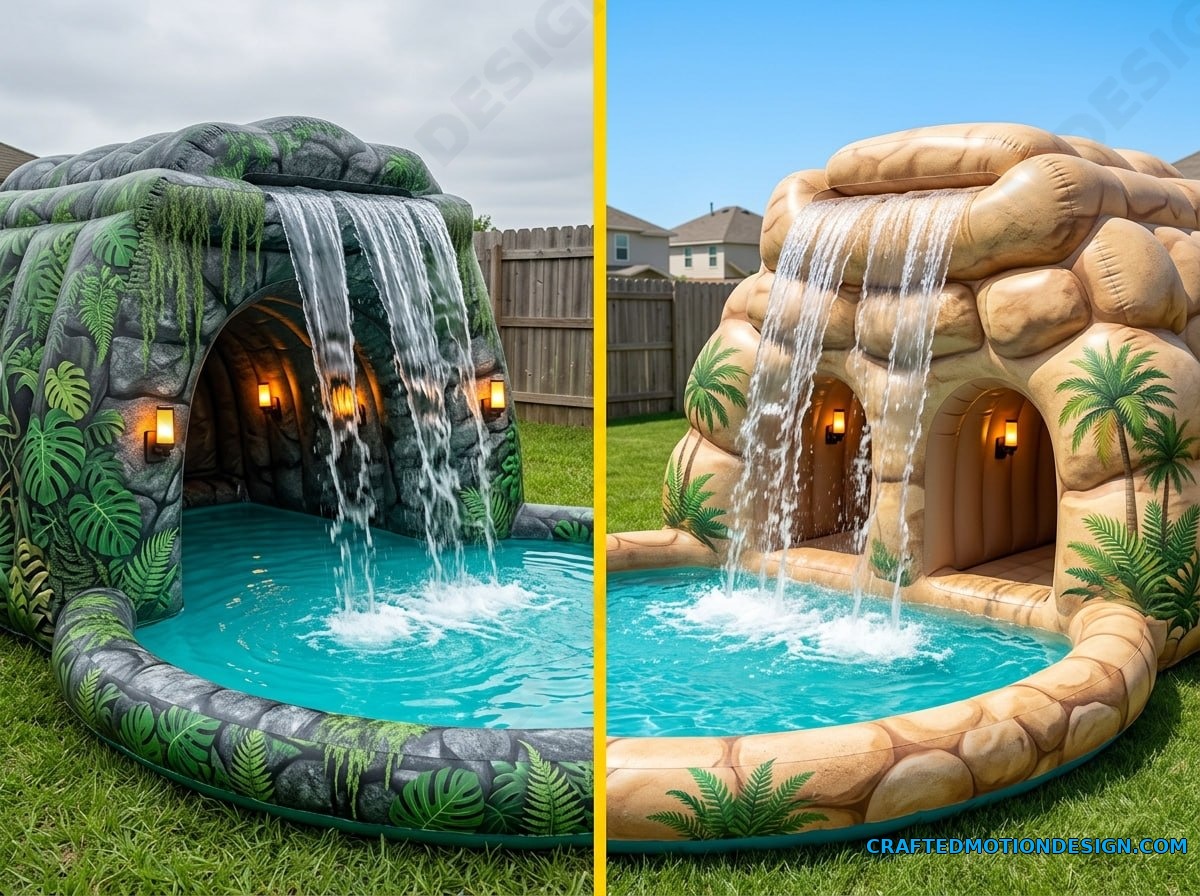
These aren’t the cheap kiddie pools with a sad trickle of water coming off the side. The newer designs are genuinely substantial. Some come with tunnels or enclosed cave sections that kids (and let’s be honest, adults) can swim through. Others have multiple waterfall streams, built-in spray jets, or LED lighting that makes the whole setup glow at night. The structures range from modest 10-foot designs to full-on backyard showpieces that span 20+ feet and come with slides, climbing walls, and splash pads attached.
Most are made from heavy-duty PVC or reinforced vinyl, which holds up to UV exposure and normal outdoor use better than you’d expect. They run off standard garden hose connections and a separate electric air blower. Set-up typically takes two adults about 20 to 45 minutes, mostly because you’re wrestling a giant inflatable into position, not because anything is technically complicated.
Why These Designs Are Blowing Up Online
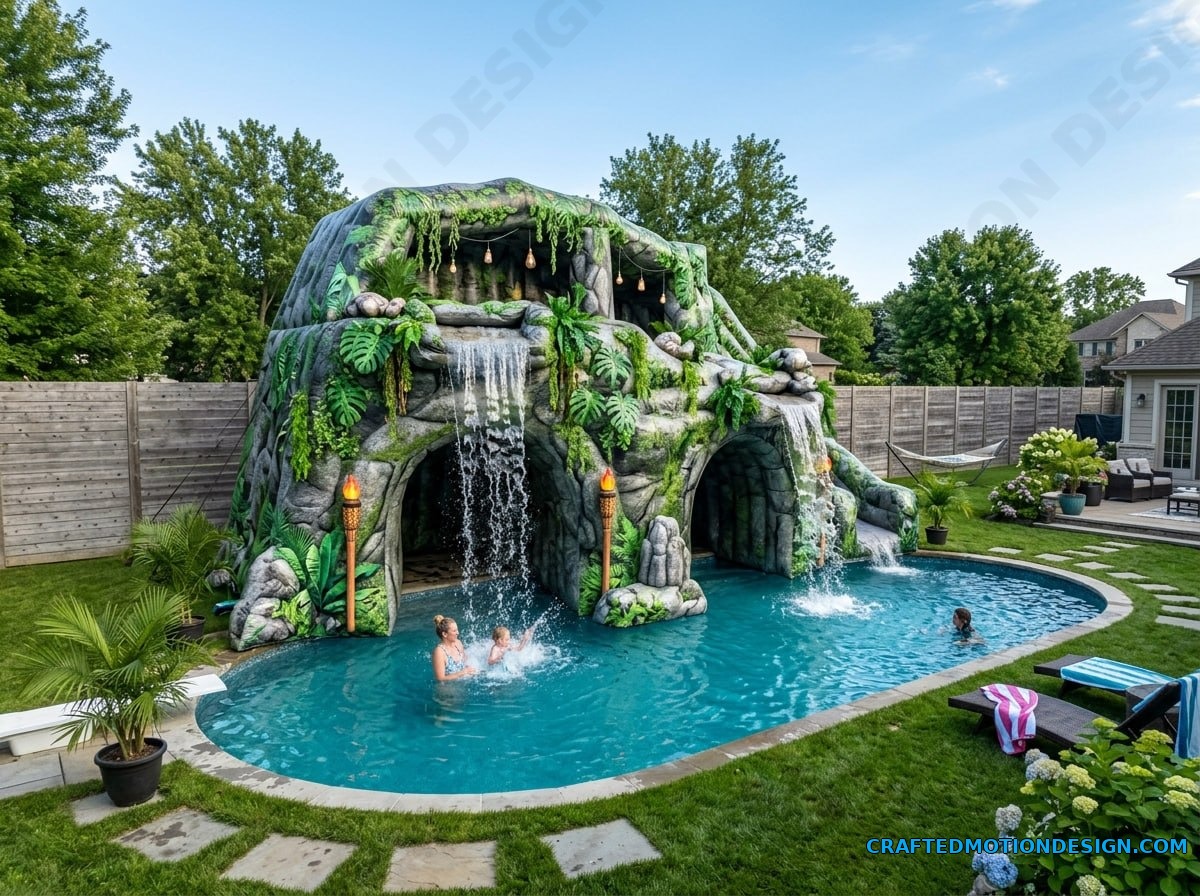
Social media did what social media does. One well-shot video of a family actually using one of these, kids diving through the cave tunnel, water pouring off the edges, and suddenly everyone’s algorithm is serving up inflatable cave pool content. The visual payoff is enormous for a backyard setup. These things look luxurious on camera, and that’s a huge part of why they spread.
But there’s a real-world reason behind the online momentum too. The cost gap between a built-in inground pool and any premium inflatable is massive. People who couldn’t justify a $40,000 landscaping project are finding they can get 70% of the fun for $500 to $1,500. That’s a pretty compelling math problem, especially for families with young kids who won’t care whether the pool is permanent or not.
The other thing driving interest: rental flexibility. If you move, it moves with you. If your kids age out of pool season, you deflate it, store it, and reclaim your yard. Permanent pools are assets, and sometimes liabilities. An inflatable cave pool is just a really good purchase that happens to look great on a Friday afternoon when people are over.
Where This Setup Actually Works Best
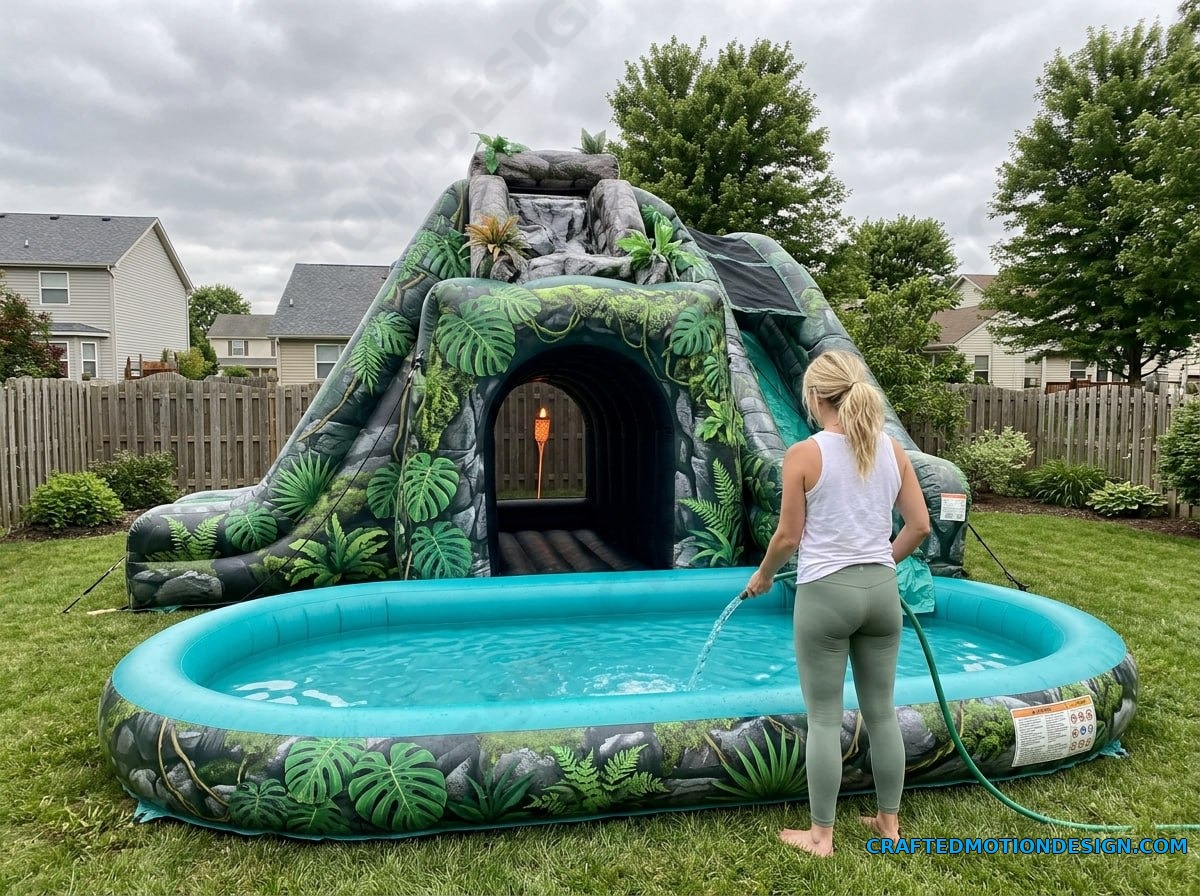
Flat, grassy backyards are the sweet spot. You want a level surface, good drainage nearby, and enough room to run a garden hose without turning the yard into a mud pit. Most mid-size designs need a footprint of around 15 by 15 feet minimum, the larger ones obviously need more.
Concrete or paved surfaces can work, but you’ll want a ground cloth underneath to protect the vinyl and give the surface some give. Setup on gravel is doable but not ideal, you’ll be constantly checking for sharp edges.
Climate matters more than people think. These hold up fine through a normal summer, but extreme heat can stress the PVC if the pool sits in full sun all day with no water circulating. If you’re in a high-UV region, look for designs that advertise UV-resistant coating on the outer shell. Cold climates are fine, just deflate and store before temperatures drop below freezing. Leaving water in the structure overnight in near-freezing temps is a good way to crack the seams.
Drainage is the thing people don’t think about until it’s too late. Draining a large inflatable pool dumps a serious amount of water onto your yard in a short window. Know where that water is going before you set up. Downhill away from the house is the obvious answer, but it’s worth planning before you’ve already filled the thing.
What One of These Costs (And Is It Worth It?)
Here’s the real breakdown. Entry-level inflatable cave waterfall pools, the smaller, simpler designs with a basic waterfall and partial cave cover, run roughly $200 to $500. These are fine for younger kids, but they’re not going to impress anyone over the age of 10.
Mid-range designs in the $500 to $1,200 range are where things get genuinely good. You’re getting a full cave tunnel, multiple waterfall streams, a decent pool depth, and usually some bonus features like a slide or spray jets. Build quality is meaningfully better too, heavier vinyl, reinforced seams, more stable blower mounts.
The upper end, $1,200 to $2,500 and beyond, is for serious setups. Multiple slides, full grotto-style cave enclosures, LED lighting systems, wider and deeper pools. Some of the premium designs are legitimately resort-quality for a fraction of the price. At that range, you’re comparing it to a quality above-ground pool, and honestly, the inflatable cave version often wins on the fun-per-dollar calculation.
Is it worth it? For a family that actually uses the backyard in summer, yes, almost always. The break-even point against daily pool memberships or water park trips is usually one season. If you have kids between 5 and 14, it’s hard to argue against it. If you’re a couple with no kids just looking for weekend entertainment, the calculus is a little different, but the answer can still be yes if you entertain.
How to Set One Up
Setup is genuinely manageable, but it goes smoother if you go in with a plan. Here’s roughly what the process looks like:
- Pick your spot and prep the ground. Clear the area of sharp sticks, rocks, or anything that could puncture the vinyl. Lay down a ground tarp if you’re on concrete or rough grass. Level is important, even a slight slope will make the pool water lean toward one side.
- Unpack and unfold. These things fold down to a surprisingly compact bundle, but unfolding a large inflatable is a two-person job. Give yourself room to spread it out before you start inflating.
- Connect the blower and inflate. Most designs have a single main inflation valve and secondary valves for specific chambers. Inflate the main structure first, then the individual sections. This usually takes 3 to 8 minutes with the blower running.
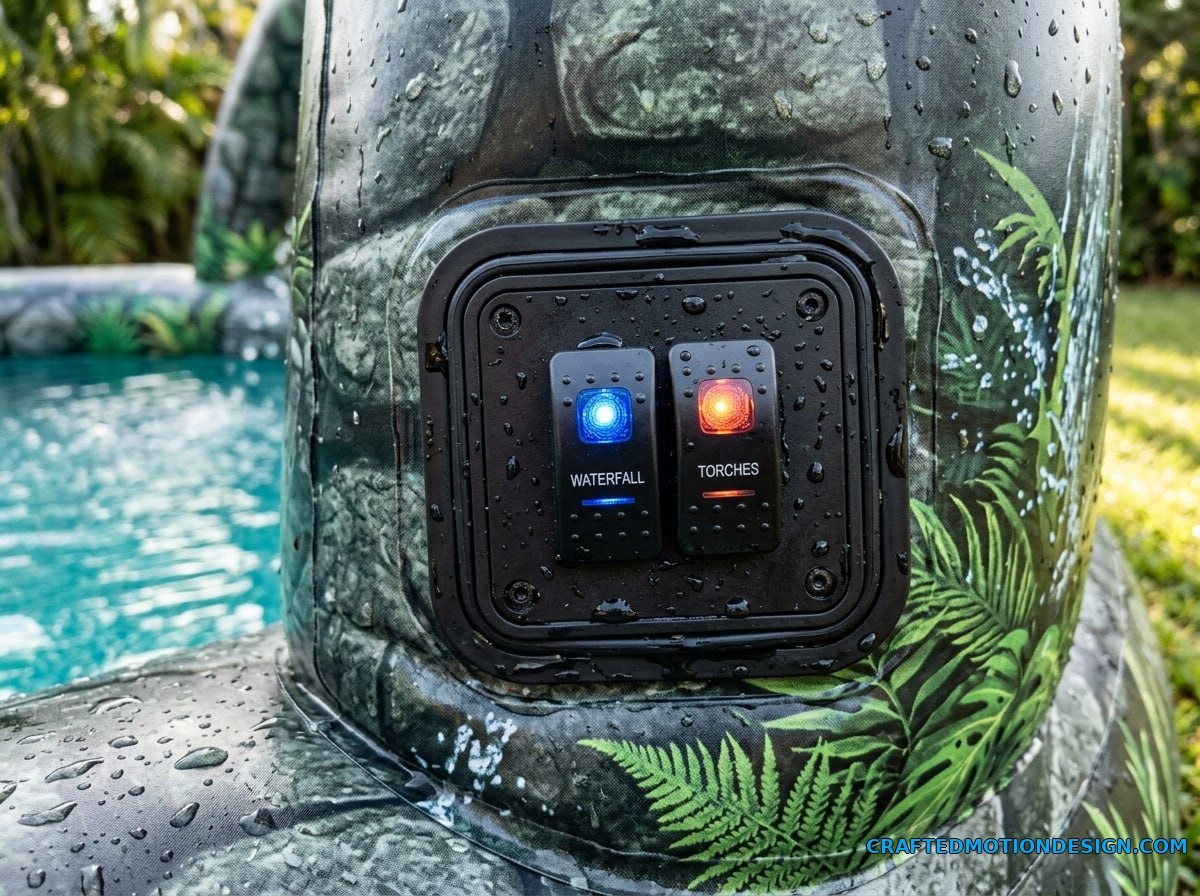
- Connect the water hose. The waterfall feed and any spray features run off a standard garden hose connection. Some models have a built-in pump system; others rely on direct hose pressure. Check the manual before you connect, water pressure requirements vary.
- Fill the pool. This takes a while depending on pool size. A mid-size setup with 500 gallons of water capacity takes 30 to 60 minutes to fill at normal hose pressure. Don’t leave it unattended.
- Check everything and adjust. Walk around the fully inflated and filled structure. Look for slow leaks at seams, make sure the blower is keeping pressure stable, and confirm the waterfall flow is working the way you want. Minor adjustments to the hose connection are usually all it takes to dial in the waterfall effect.
Maintenance is minimal during the season. Keep an eye on the pool water, it will need to be changed every few days in hot weather to stay clean. A small pool chemical kit designed for above-ground pools works fine. Wipe down the vinyl cave structure occasionally to prevent algae buildup where it stays wet.
Features to Look For Before You Buy
Not all inflatable cave pools are created equal. Here’s what actually matters when you’re comparing options:
- Vinyl thickness and material quality. Measured in gauge or denier, higher numbers generally mean more durable. Look for double-layer seams and reinforced stress points around the inflation valves and water connection points.
- Blower type and noise level. Some units come with quieter AC blowers, others include louder but more powerful industrial blowers. If you have neighbors or sensitive kids, check reviews specifically mentioning noise.
- Pool depth. Shallow designs (under 12 inches) are fine for small kids but boring for adults. Designs with 18 to 24 inch pool depth are much more usable across age groups.
- Waterfall configuration. Single stream, multiple streams, or curtain-style waterfall, each creates a different effect. Multiple streams generally look better and create a more immersive experience inside the cave section.
- Cave tunnel clearance. If adults want to use the tunnel, look for designs with at least 36 inches of interior clearance. Kid-only tunnels are often much shorter.
- UV protection on the outer shell. This matters a lot for longevity. UV-resistant coating on the inflatable exterior will significantly extend the life of the structure if it’s in full sun.
- Patch kit included. Small punctures happen. A decent patch kit coming in the box saves you from scrambling when you need a quick fix mid-summer.
- Weight limit and capacity ratings. More important than people think. Overloading a pool structure puts stress on seams and accelerates wear. Check both the pool capacity and the weight rating for any climbing or slide sections.
🛒 Shop Similar
Disclosure: This post contains affiliate links. If you buy through them, Crafted Motion may earn a commission at no extra cost to you.
Bring the cave waterfall energy to your backyard this season:
- Inflatable pools with waterfall features, the closest real product to this concept
- Pool waterfall attachments, add a waterfall to any existing pool
- Inflatable water slide pools, same backyard resort energy
- Outdoor misting systems, adds atmosphere to any outdoor water setup
Product availability note
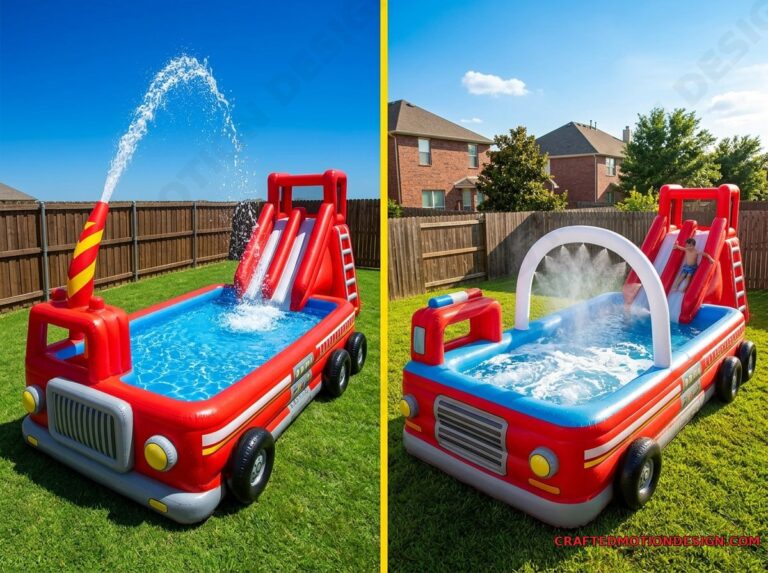
Some images in this post are design inspiration. Shopping links may point to similar searches or the closest available product options, not guaranteed exact matches. Always verify the current listing photos, dimensions, materials, seller details, and return policy before buying.
Final Thoughts
Inflatable cave waterfall pools landed in the weird zone where something looks too good to be true but actually isn’t. They’re genuinely fun, the setup is manageable, and the visual impact in a backyard is real. They’re not permanent, and they’re not maintenance-free, but they’re a long way from the flimsy pools most people are imagining when they hear “inflatable.”
If you’ve got a decent-sized flat yard and kids who like water, this is one of those purchases you’ll be happy about from the first afternoon. It’s also, not gonna lie, one of the better “became the coolest house on the street” moves you can make for under two grand.
The market for these is evolving fast, designs are getting more elaborate, materials are improving, and prices are actually becoming more competitive as more brands enter the space. If you’re on the fence, the honest advice is: don’t wait too long. What you can get for $800 today is genuinely better than what was available two years ago, and that trend is continuing.
Have questions about a specific model or setup? Drop them in the comments. We’ll do our best to help.
You Might Also Like
- Inflatable Firetruck Pools Turn Any Backyard Into the Best Summer Party on the Block
- Giant Sunflower Shower Pools Are the Most Cheerful Backyard Design We’ve Ever Seen
- 10 Best Inflatable Pool Bars for Backyard Parties
Crafted Motion is a participant in the Amazon Services LLC Associates Program. Some links in this article are affiliate links, if you purchase through them, we may earn a small commission at no extra cost to you.
One Comment
Comments are closed.