Best Epoxy Resin Starter Supplies for Fantasy Decor Projects
Disclosure: This post contains affiliate links. If you buy through them, Crafted Motion may earn a commission at no extra cost to you.
How we picked these ideas
We focused on products and design directions that fit the Crafted Motion look, solve a real room or outdoor-space problem, and are easy for readers to compare. Availability can change, so always check current product details, measurements, materials, reviews, and return policy before buying.
Epoxy resin fits the Crafted Motion world because it can look like water, lava, crystal, smoke, or glowing fantasy stone depending on the pigment. The mistake beginners make is buying resin but skipping the boring supplies that keep the project clean.
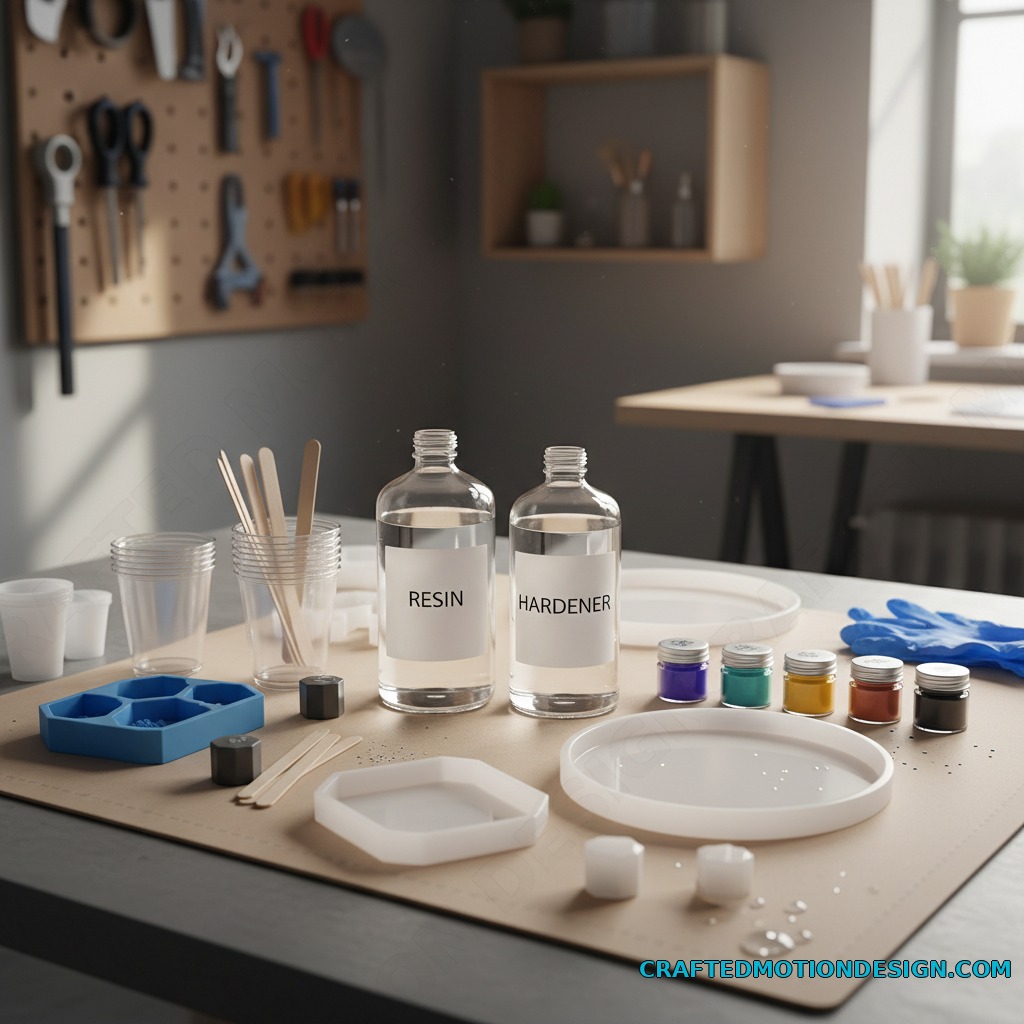
1. Beginner epoxy resin kits
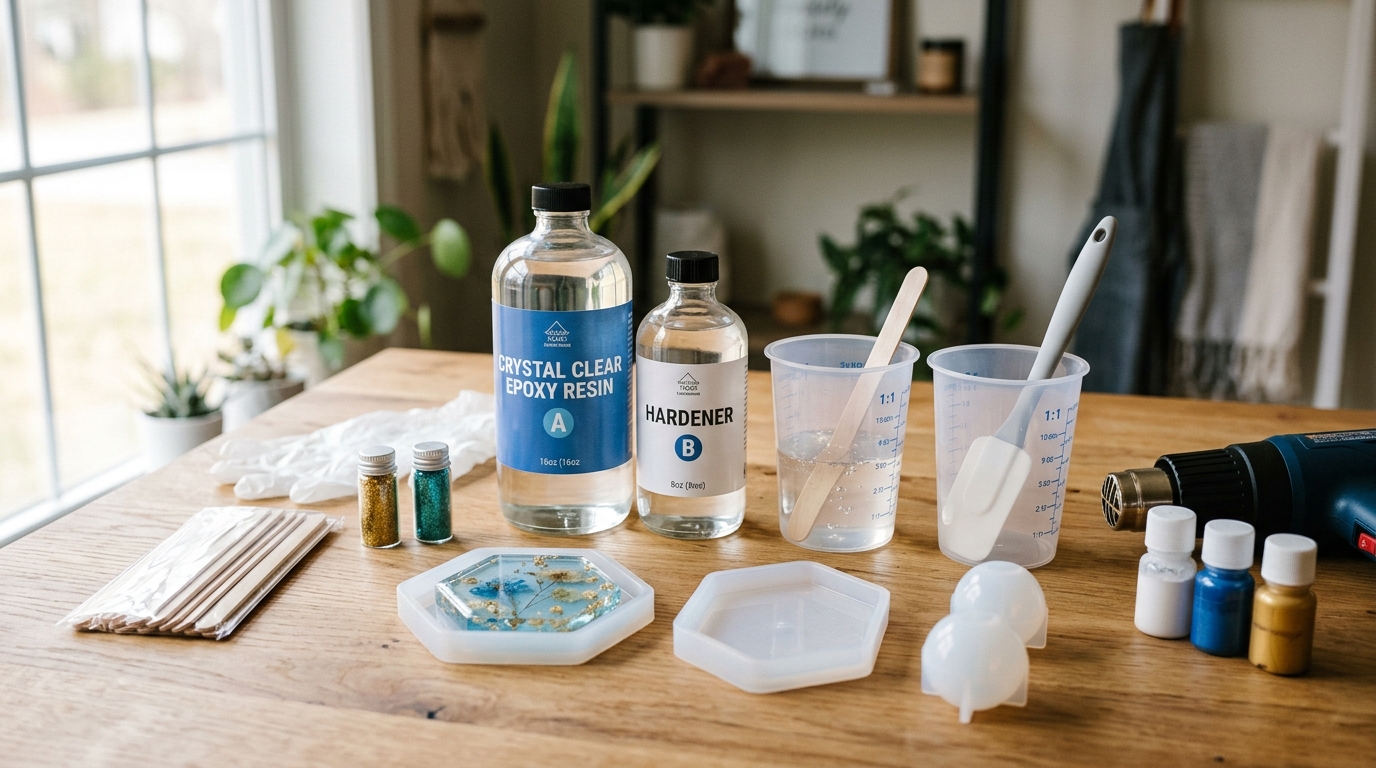
A starter kit is the easiest first buy because it usually includes resin, hardener, cups, gloves, and clear ratio instructions.
Shop beginner epoxy resin kits
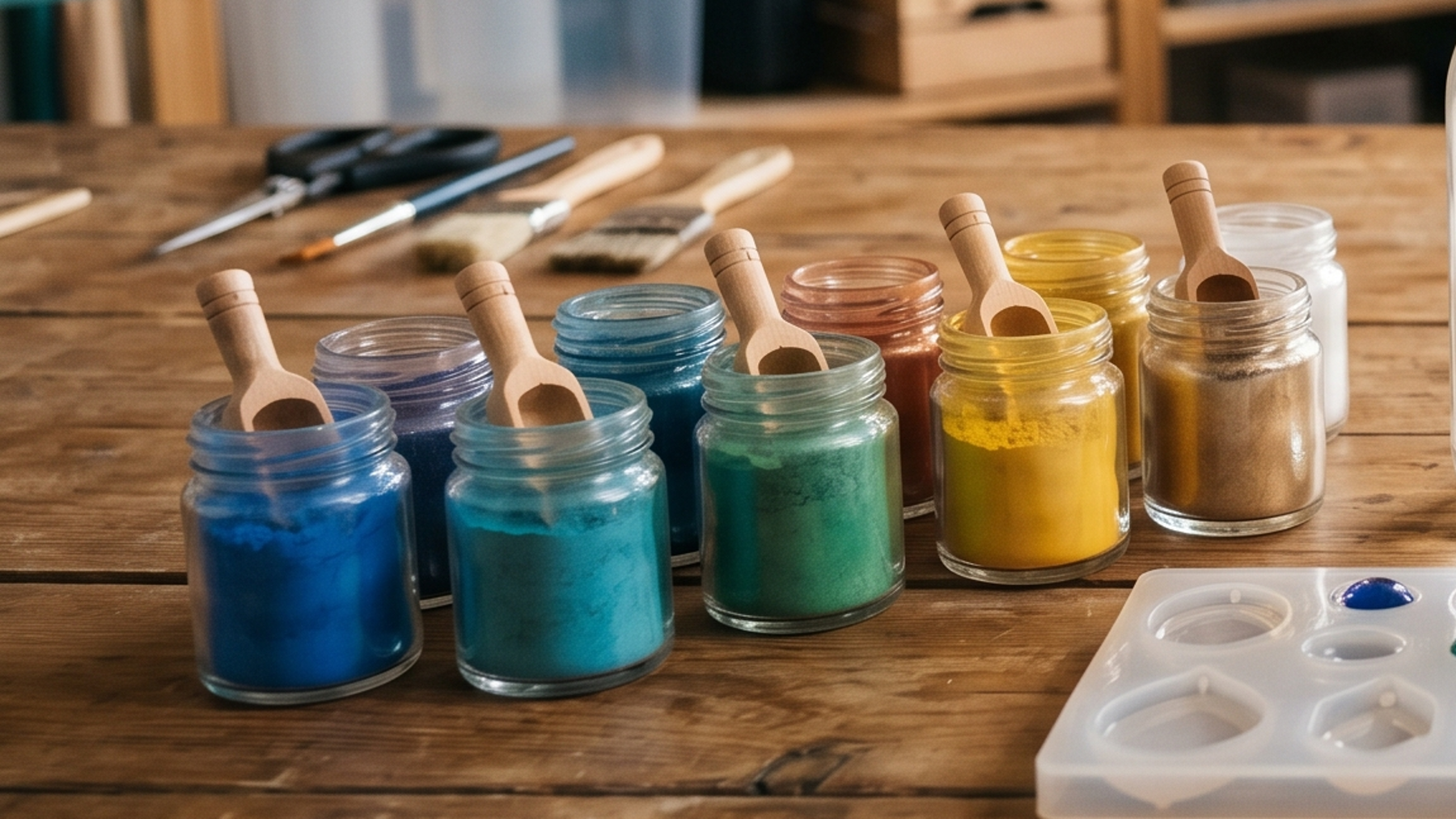
2. Mica powder pigments
Pigments create the fantasy effect. Orange, gold, green, blue, and black are the most useful colors for lava, forest, ocean, and galaxy-style pours.
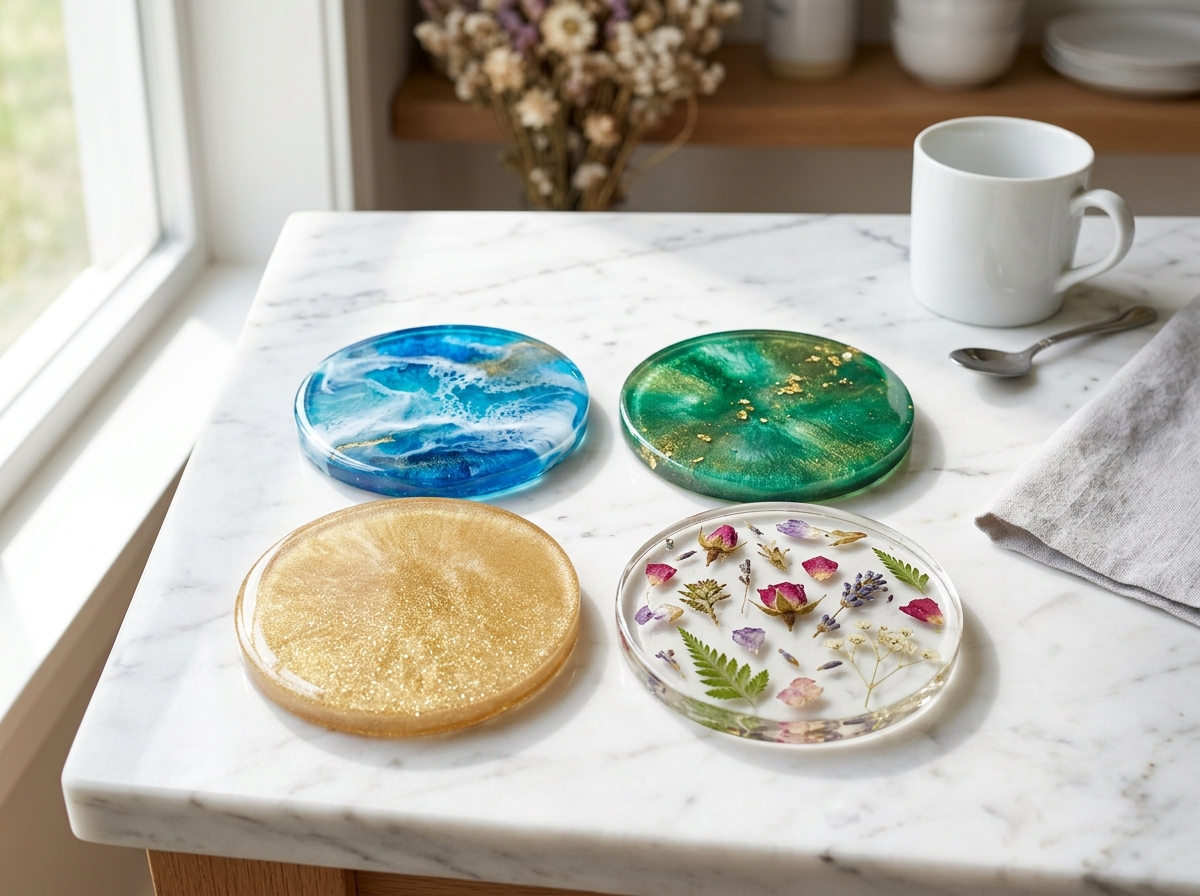
3. Silicone molds
Silicone molds let you practice on trays, coasters, dice, and small decor before trying expensive furniture pours.
4. Heat guns or mini torches
A heat tool helps pop bubbles and move pigment, but use it carefully. Too much heat can ruin a small pour.
5. Reusable mixing cups and gloves
This is the boring stuff that saves projects. Resin gets messy fast, and guessing measurements is how pours fail.
How to choose the right pieces
Epoxy projects fail when the setup is incomplete. Resin and pigment are only part of it. You also need accurate cups, gloves, stir sticks, a protected work surface, molds, and a way to manage bubbles.
Style notes for the Crafted Motion look
For fantasy-style pieces, start with small color stories: lava orange and gold, deep ocean blue, forest green, smoke black, or crystal clear with metallic flakes. Simple colors usually look more expensive than ten pigments mixed together.
Mistakes to avoid
Do not start with a huge table pour. Start with coasters, trays, or small decor pieces. You will learn working time, bubbles, curing, and pigment behavior without risking a costly furniture project.
What I would check before buying
- Measure the space first, especially width, height, and clearance.
- Check material quality, power source, installation requirements, and return policy.
- Read recent reviews for durability complaints, missing parts, or misleading photos.
- Photos show the design direction. Shopping links point to matching products, similar items, or the closest available options, so verify exact listing details before buying.
Quick FAQ
What should a beginner make first?
Coasters, trays, small molds, and simple decor pieces are the best first projects. They teach the material without risking expensive furniture.
What supplies do people forget?
Gloves, accurate measuring cups, stir sticks, a covered work surface, and a heat tool for bubbles. Those boring supplies prevent most beginner problems.
What a beginner epoxy setup actually needs
A good starter setup is less about buying every resin accessory and more about removing the beginner failure points. Most first projects go sideways because the resin was measured loosely, mixed too quickly, poured too thick, or cured in a dusty room. The right supplies help you control those details before you spend money on bigger molds or expensive pigments.
For fantasy decor projects, start with a clear casting or tabletop epoxy that matches the depth of your project. Shallow trays, coasters, small crystals, and decorative inserts usually need a different working time than deep river-style pours. If the listing does not clearly say the maximum pour depth, do not guess. Search for a kit that shows working time, cure time, UV resistance, and whether it is meant for coating or casting.
Beginner buying checklist
- Epoxy resin kit: choose a small starter kit first, usually 16 oz to 64 oz depending on the mold size.
- Graduated mixing cups: measuring by eye is a fast way to waste resin.
- Silicone stir sticks: easier to clean and less likely to shed fibers than wooden sticks.
- Nitrile gloves: resin is messy, sticky, and not something you want on your skin.
- Respirator or ventilation plan: follow the product label. Low odor does not mean no precautions.
- Silicone molds: trays, coasters, crystal shapes, moon phases, skulls, and trinket dishes all work well for fantasy decor.
- Mica powders and alcohol inks: use these for smoky, metallic, galaxy, lava, ocean, or dragon-scale effects.
- Heat gun or small torch: useful for surface bubbles, but do not overheat the resin.
How much resin should you buy?
Before buying a kit, estimate the volume of the mold instead of guessing from the photos. A small coaster set may only need a few ounces, while a tray or tabletop accent can eat through a starter kit quickly. If you are not sure, use the epoxy resin calculator first. Add a little extra for waste, test pours, and the resin left behind in cups.
For a first project, it is smarter to make two or three smaller decor pieces before attempting a large table, floor accent, or deep pour. You will learn how the resin behaves, how long bubbles keep rising, how much pigment is too much, and how clean your workspace needs to be.
Common beginner mistakes to avoid
The biggest mistake is treating resin like paint. Resin is chemistry. The mix ratio matters. Scraping the sides and bottom of the cup matters. Room temperature matters. Cure time matters. If a piece feels soft after the listed cure window, it usually means the ratio, mixing, or temperature was off.
Another weak move is adding too much pigment. Fantasy decor looks better with layered color, shimmer, and depth, but overloaded resin can cure poorly or look muddy. Start light. You can always make the next pour darker.
Finally, do not rely on a product photo that shows a perfect glowing fantasy object. Buy based on the actual specs: resin type, cure time, depth rating, reviews with real photos, and whether the kit includes enough measuring supplies.
Final thoughts
If I were starting from zero, I would buy a small beginner kit, a pigment set, simple molds, gloves, cups, and a heat tool. Do not start with a table. Start with coasters or trays and learn the material first.