
10 Best Epoxy Resin Molds for Your Next Project
Disclosure: This post contains affiliate links. If you buy through them, Crafted Motion may earn a commission at no extra cost to you.
How we picked these ideas
We focused on products and design ideas that fit the look, solve a real room or outdoor-space problem, and are easy for readers to compare. For shopping links, availability can change, so always check the current product details, measurements, materials, reviews, and return policy before buying.
The difference between a resin project that gets real compliments and one that just sits there looking okay usually has nothing to do with your skill level. Most of the time, it comes down to the mold. The shape you pour into decides almost everything, the finished look, the level of detail, and whether someone says “did you make that?” or just scrolls past.
People spend a ton of time researching pigments and resin brands, and that stuff matters. But the mold is where the project either wins or doesn’t. A great mold with average resin still looks better than average resin in a boring mold. That’s just the reality of how this works.
These ten molds are the ones worth knowing about. They range from bold focal points to everyday functional shapes, and each one brings something different to the table. If you’re just starting out or you’ve been pouring resin for years, there’s at least a few here that will push your work up a level.
Crafted Motion take: mold choice matters more than the resin color
I would rather use a boring mold with clean edges than a dramatic mold that releases badly. Most beginner epoxy projects fail at the edges, corners, bubbles, or demolding stage. The mold shape is the part that decides how forgiving the project will be.
If you are buying one, check finished size, silicone thickness, heat tolerance, depth, and whether the shape has tight points where bubbles get trapped. That matters more than the product photo.
Why Your Mold Makes or Breaks the Project
Think about how a resin piece actually gets its identity. It’s not really from the color, you can use the same blue pigment in ten different molds and end up with ten completely different looks. The shape is what gives the piece its personality. A flat square tray looks like a flat square tray. A detailed sea turtle or a curved architectural ledge looks like something intentional, something designed.
The mold also controls how your resin flows and where it settles. Deeper molds with more surface detail create natural variations in how the resin pools, which means you get interesting visual effects without doing much extra work. Shallow molds with smooth interiors are easier to pour but leave less room for the resin to do anything on its own.
There’s also the structural side of it. A mold that warps under the weight of curing resin will give you a finished piece with uneven edges or a slight bow. The better the mold quality, usually thicker silicone, better reinforcement, the cleaner your release is and the more consistent your results are pour after pour. Cheap molds that look identical online often fall apart after a few uses or start producing pieces with rough or sticky surfaces.
That’s the part most beginner guides skip over. It’s not just about finding a cool shape. It’s about finding a mold that holds up long enough to actually be worth the investment.
What I Look For Before Buying a Resin Mold
The molds featured here aren’t the basic square or rectangle shapes you see everywhere. That’s not to say those don’t have their place, they do, but if you’ve already got a few standard molds and you’re looking to expand, these are the ones that actually move the needle.
Size matters more than people expect. Larger molds create pieces that command attention. You can put a big circular resin tray on a table and it becomes the focal point of the room. A small coaster-sized piece, no matter how well done, just doesn’t hit the same way. The skull mold, the half-circle bowl, the bay window ledge, these work partly because of their scale. They’re built to be noticed.
Detail level is the other big differentiator. The dragon head mold has built-in texture, scales, horns, open mouth, that would take a skilled sculptor hours to replicate by hand. The sea turtle shell pattern creates natural depth that makes layered resin designs look incredibly complex without requiring much additional effort. The detail is already built in. Your job is just to fill it correctly and let the mold do its thing.
Shape uniqueness also matters for anyone selling their work. If you’re making resin pieces to sell online or at craft markets, having a product that doesn’t look like what everyone else is selling is a real competitive advantage. Puzzle piece sets, octagon trays, dragon head sculptures, these are conversation starters in a way that a plain round coaster simply isn’t.
Which Projects These Molds Fit Best
Honestly, most of these molds work across skill levels, but some are better starting points than others if you’re newer to resin work.
If you’re just getting into epoxy resin, the heart mold, the large circular mold, and the seashell mold are all great starting points. They have enough detail to look impressive but enough simplicity in their structure that a straightforward pour looks good without needing advanced technique. You don’t have to worry about complex multi-layer pours or difficult demolding when you’re still learning the basics of mix ratios and cure times.
More experienced crafters will probably enjoy the challenge of the dragon head or the skull. These benefit from techniques like layered pours, embedded inclusions, and careful demolding to preserve the fine details. If you’ve already poured dozens of basic pieces and you’re looking for something that actually challenges you, these deliver on that front.
For gift makers, the heart mold and puzzle piece mold are obvious standouts. Both have a natural emotional association that makes them feel intentional as gifts, and both can be customized easily with color, inclusions, or personalization. People who make resin gifts for birthdays, anniversaries, or memorial pieces gravitate toward these shapes for good reason, the shape already communicates something before anyone even looks closely at the resin work itself.
If you’re running a small Etsy shop or selling at craft markets, the larger focal points, the bay window ledge, the half-circle bowl, the octagon tray, tend to have better price justification. You can charge more for a large functional piece than you can for a small decorative one, and the larger molds naturally produce pieces that look like they belong at a higher price point. Customers can see and feel the value before they even ask the price.
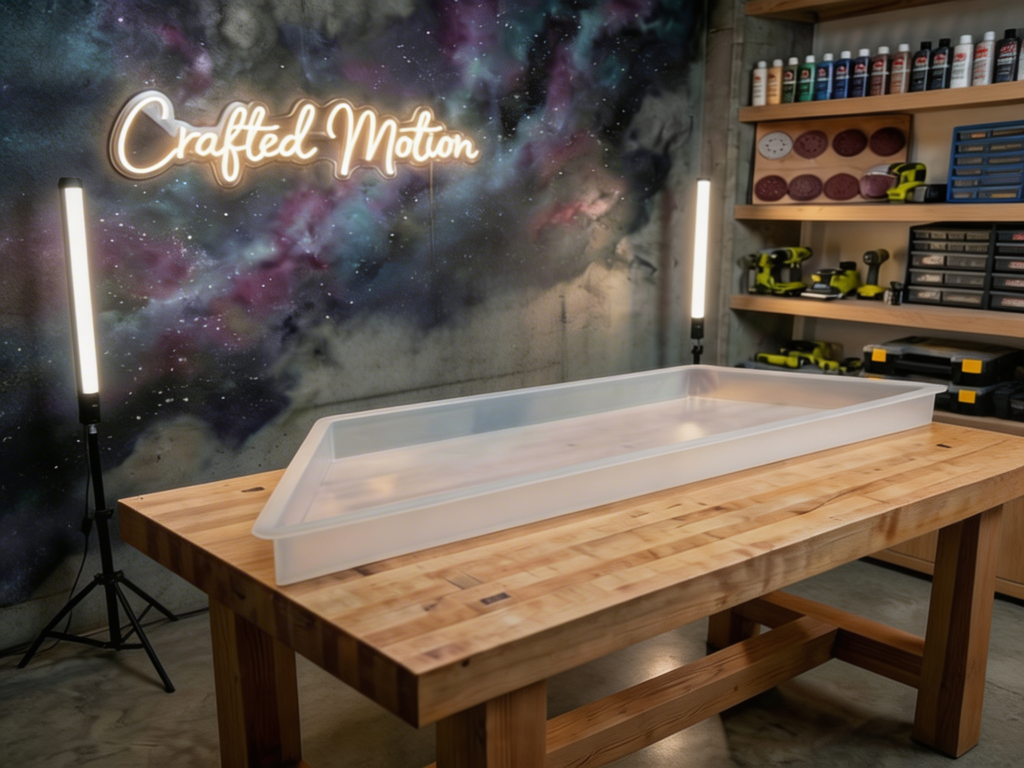
🪟 Bay Window Ledge Mold
This is one of those molds that doesn’t even read like a typical resin project.
It’s long, curved, and built to mimic the shape of a real architectural ledge, something you’d normally expect to see installed in a home, not poured on a workbench.
It’s useful for:
- window display ledges
- plant shelves
- custom bar surfaces
The curve gives it a built-in “finished” look, so even a simple clear or lightly tinted pour ends up looking way more premium than expected.
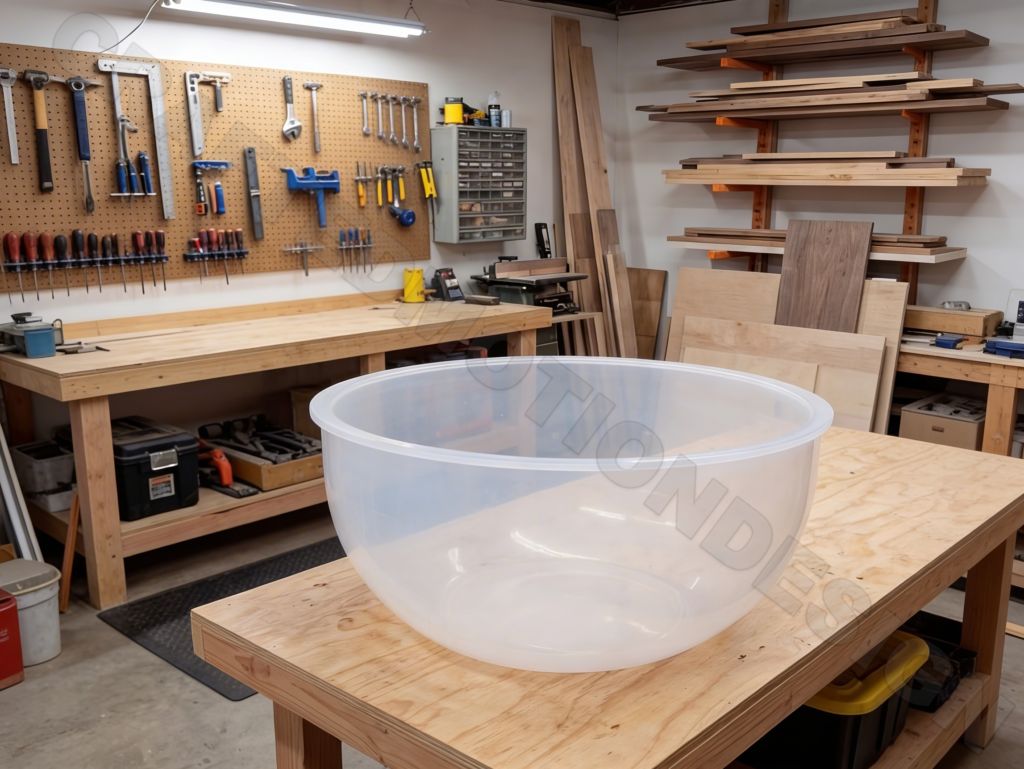
🍿 Half-Circle Bowl Mold
This oversized half-circle mold is one of the easiest ways to create something that feels both functional and high-end.
At first glance it looks like a massive popcorn bowl, but once you start pouring into it, it becomes way more versatile.
People use this for:
- serving bowls
- decorative centerpieces
- embedded display pieces
The deep curve naturally enhances resin flow, which means smoother finishes and cleaner edges without much effort.
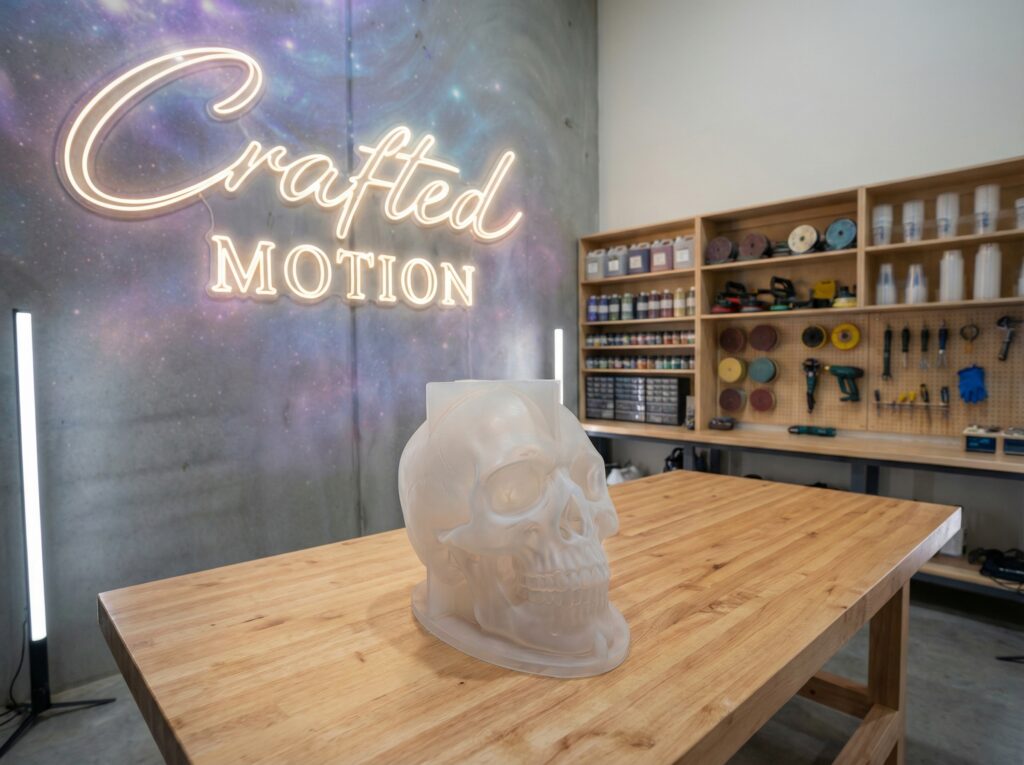
💀 Skull Mold
If you want something that immediately stands out, this is it.
The skull mold isn’t subtle, and that’s exactly why it works.
Between the deep eye sockets, detailed teeth, and natural contours, it creates a finished piece that looks more like a sculpture than a simple resin pour.
Even basic pours end up looking complex because the detail is already built into the mold.
What Makes Epoxy Resin Molds So Important?
A lot of people focus on colors, pigments, and effects first.
But the truth is:
the mold is what creates the impact.
You can pour the same resin into two different molds and end up with completely different results. One looks average. The other looks like a finished product you’d actually display.
That’s why the shapes below matter, they do most of the heavy lifting for you.
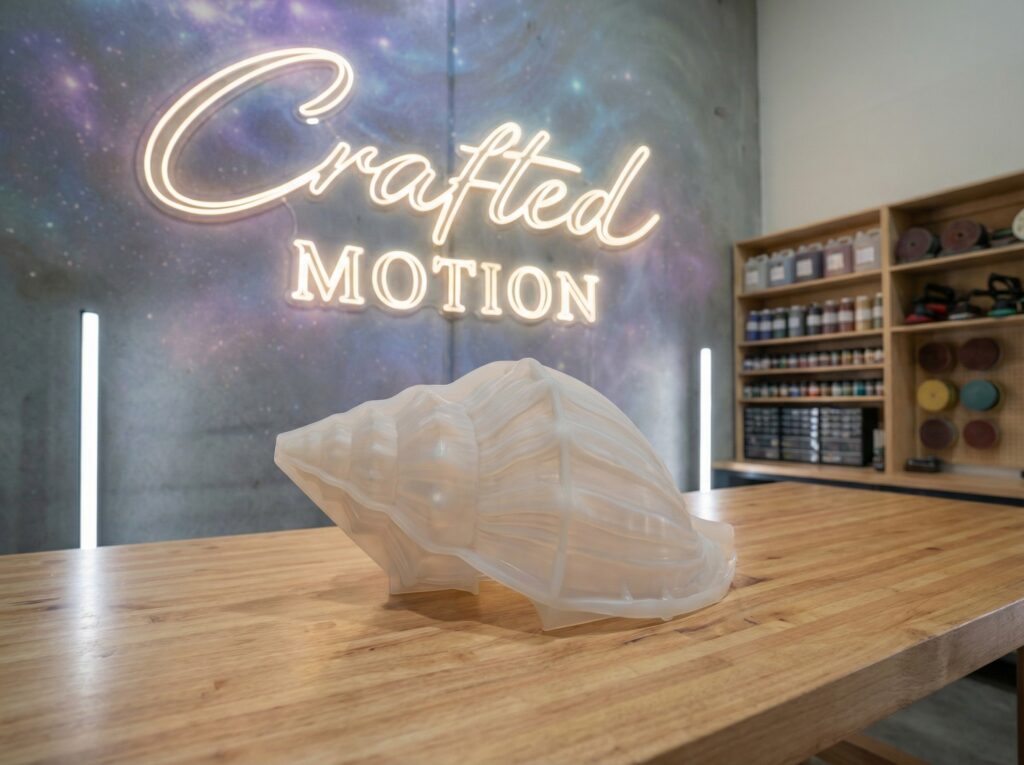
🐚 Seashell Mold
This one is a go-to for anyone trying to create something that feels natural and clean.
The layered ridges and spiral shape give it that organic look without needing complicated techniques.
It’s especially popular for:
- trays
- small bowls
- coastal-style decor
Add a little white, sand, or light blue pigment, and it instantly takes on that beach-inspired feel.

🐉 Dragon Head Mold
This is easily one of the most detailed molds you can work with.
The horns, scales, and open-mouth design make it read like a display piece before you even pour anything into it.
It does take a bit more patience to pour cleanly, but the payoff is huge, this is the kind of piece people assume you bought, not made.
Why Some Mold Shapes Finish Cleaner Than Others
Not all molds create the same result, even if they look similar online.
The difference usually comes down to:
- how well the shape holds under pressure
- how clean the internal surface is
- how much depth and detail the mold actually has
The molds that look “expensive” are usually the ones with stronger structure and sharper definition.
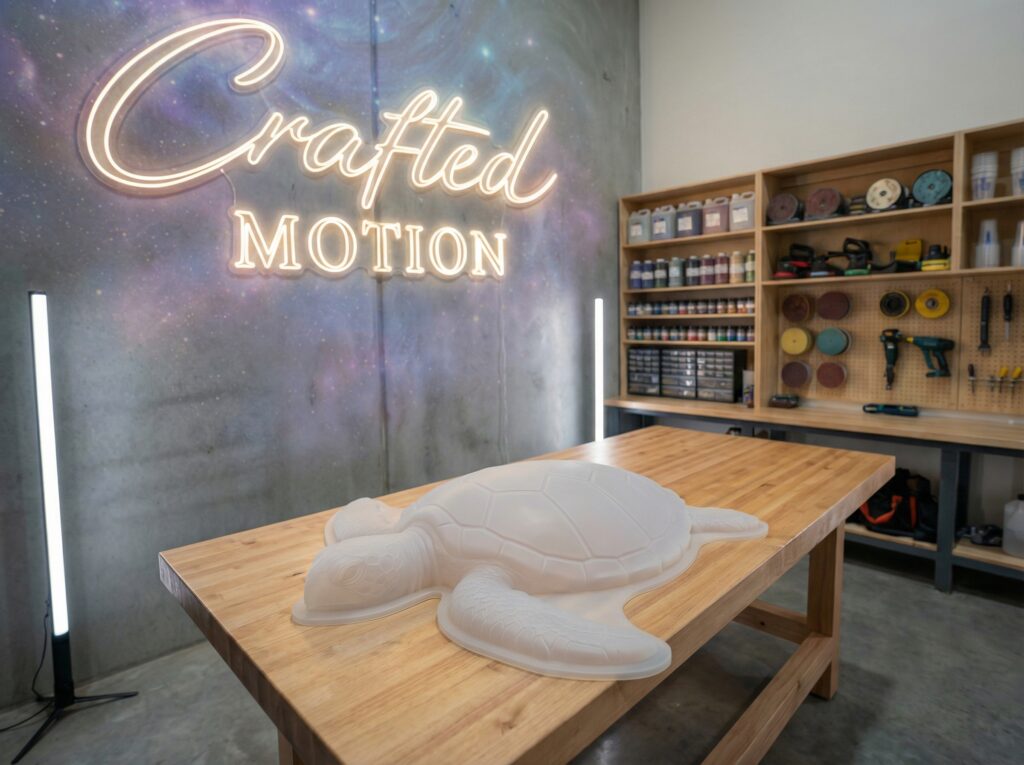
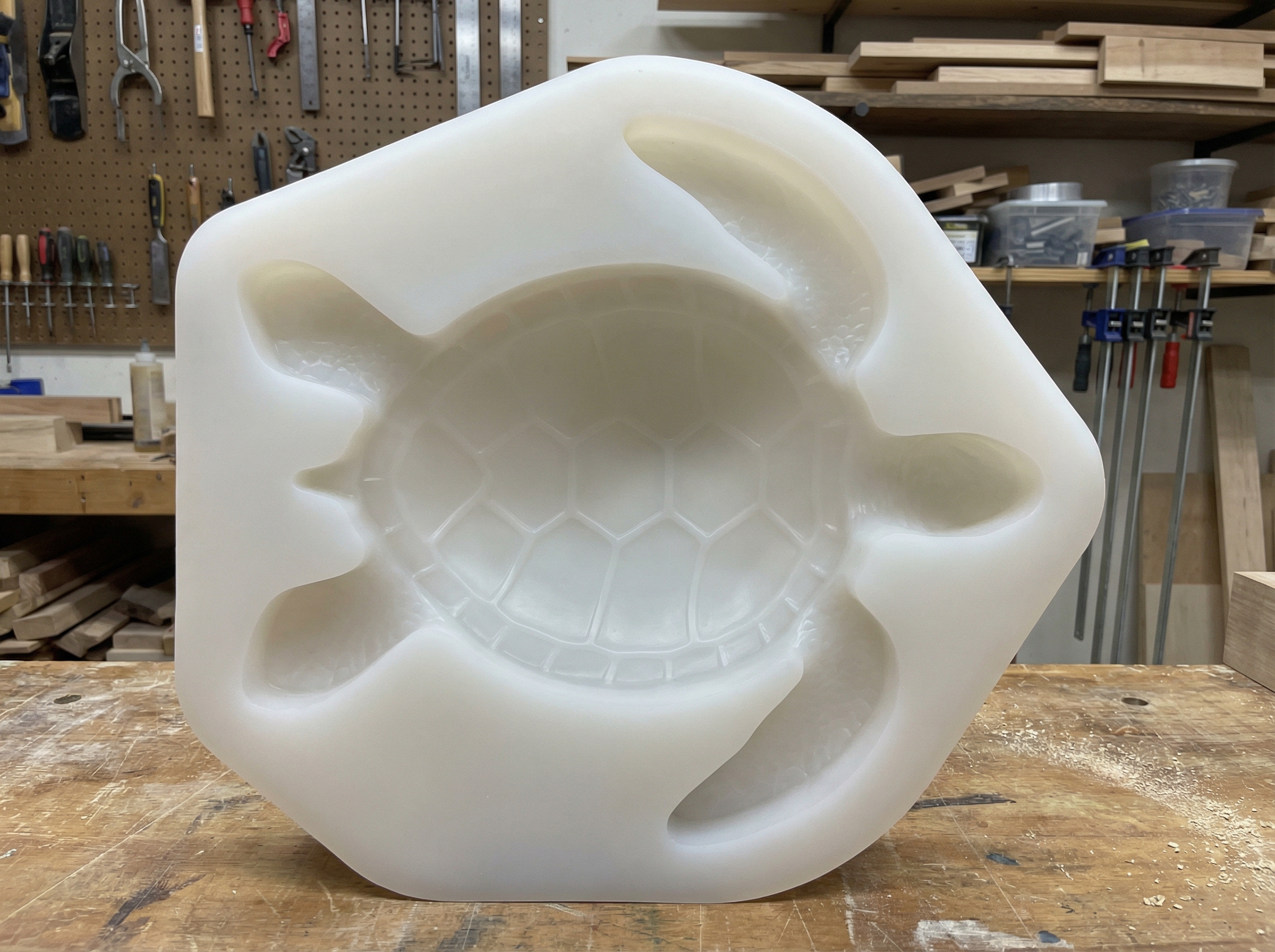
🐢 Sea Turtle Mold
The sea turtle mold hits that perfect balance between detailed and functional.
It’s recognizable instantly, but also gives you a wide surface area to work with, which makes it great for trays or decorative pieces.
The shell pattern is what really makes it stand out, it naturally enhances layered resin effects and color transitions.
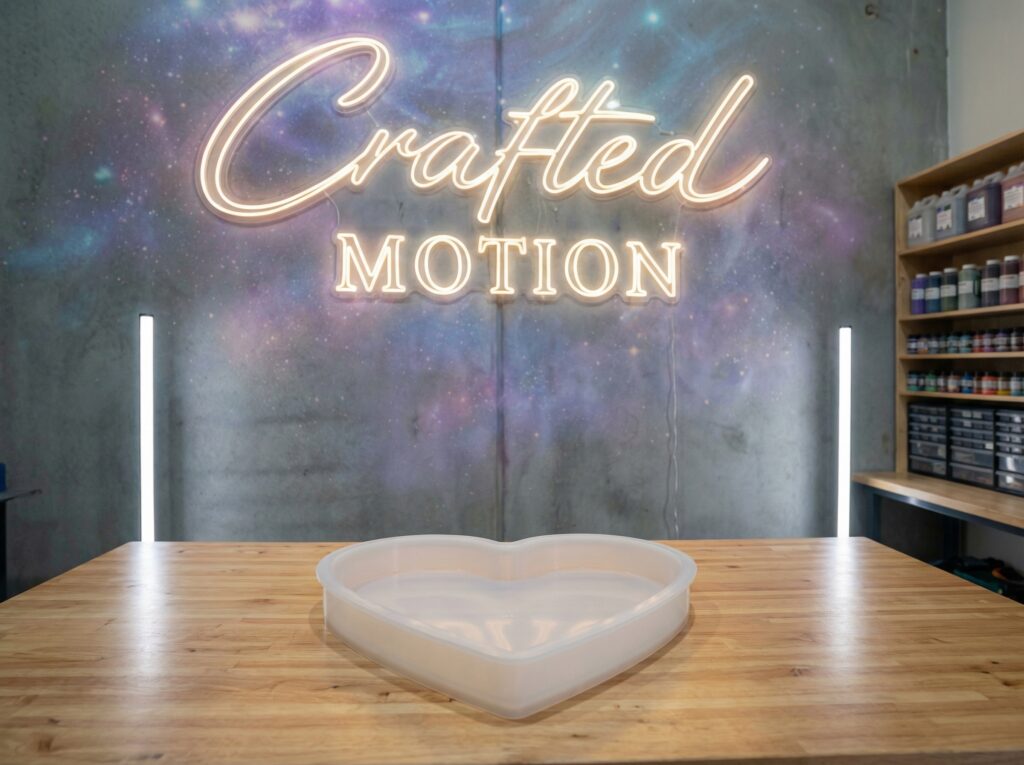
❤️ Heart Mold
Clean, simple, and always popular.
The heart mold is one of the easiest ways to create something that feels intentional and gift-ready.
It’s commonly used for:
- keepsakes
- trays
- small decorative pieces
Because of its symmetry, it’s also useful for experimenting with split-color or mirrored designs.
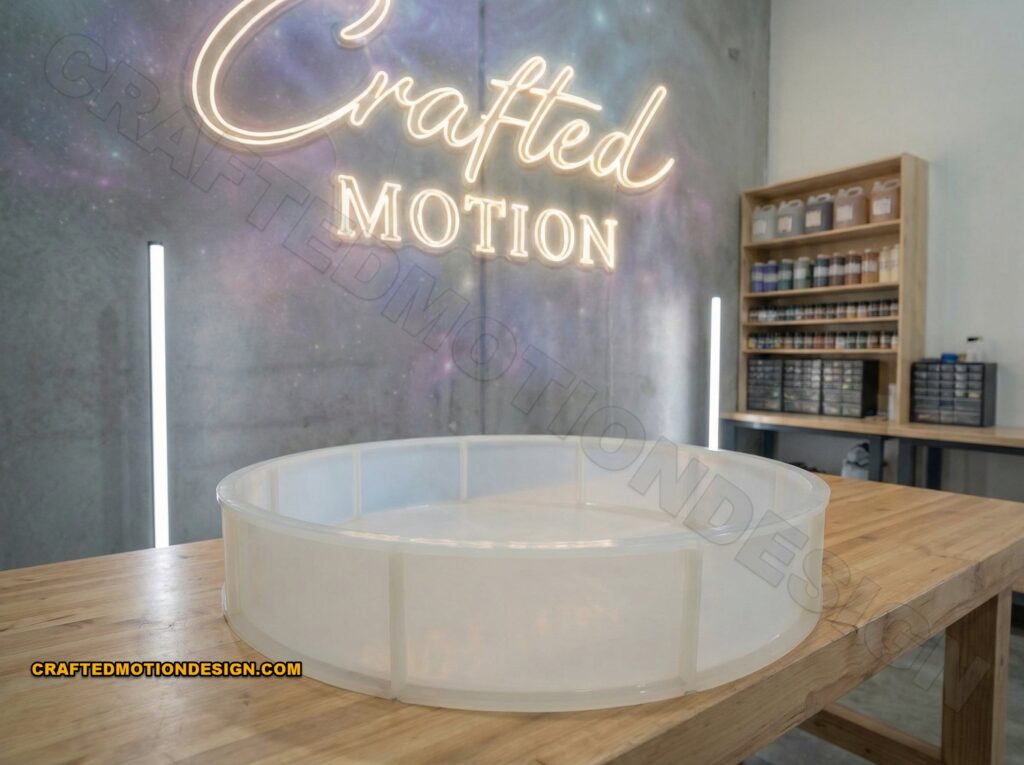
🛑 Octagon Mold
The octagon shape instantly gives a more structured, modern look.
It’s a small change from a circle, but visually it feels much more designed and intentional.
This shape works really well for:
- trays
- coasters
- tabletop pieces
It’s one of the easiest ways to make a project feel more “finished.”
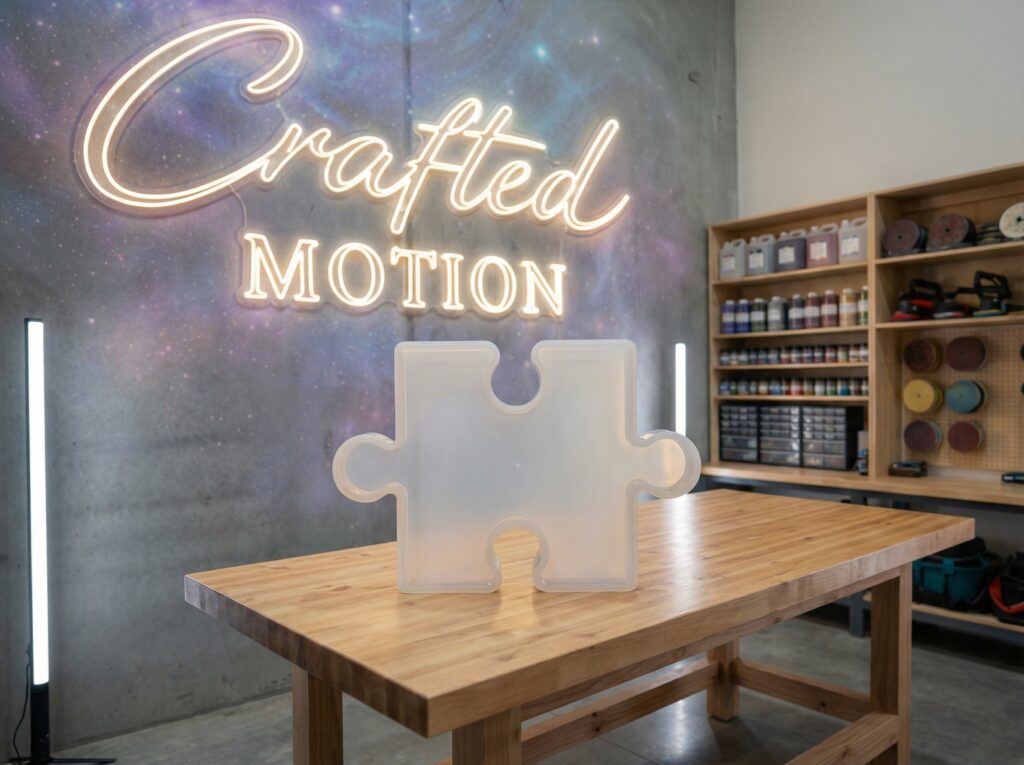
🧩 Puzzle Piece Mold
This one adds personality more than anything else.
Puzzle piece molds are often used for:
- symbolic designs
- matching sets
- custom gifts
They’re simple, but when used creatively, they can become one of the most unique pieces you make.
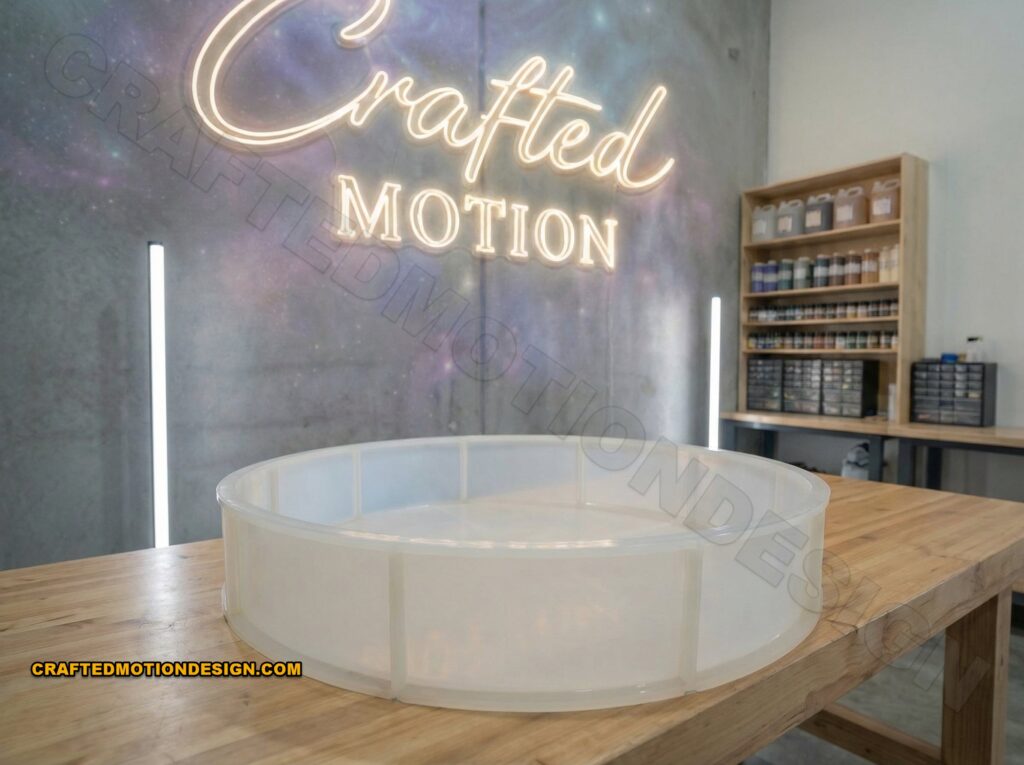
🔵 Large Circular Mold
This is one of the most common molds, and one of the most useful.
The large circular mold is basically your blank canvas.
People use it for:
- trays
- tabletops
- wall decor
- lazy susans
Because of the wide surface, it’s useful for:
- ocean designs
- geode effects
- marble patterns
If you’re only going to have one mold, this is usually the one people start with.
What You Can Make With These Molds
One thing that catches people off guard is how flexible these molds are when it comes to finished products. You’re not locked into one use case just because the mold has a defined shape.
The large circular mold gets used for serving trays, lazy susans, wall art, and tabletops. That’s four completely different product categories from one mold. Add a ring of felt to the bottom, seal the surface, and you’ve got a functional tray that looks like it came from a boutique home goods store. Mount it on the wall and it becomes decor. The end use depends entirely on how you pour and finish it.
The bay window ledge mold produces something that looks genuinely architectural. People display these as floating shelves, use them as window sill pieces, or incorporate them into bar setups as decorative ledges. The curved profile gives it a built-in premium look that plain rectangular shelf pieces can’t match.
The half-circle bowl works as a serving piece for snacks or small items, as a catch-all bowl near an entryway, or as a purely decorative centerpiece. If you embed dried flowers, gold leaf, or colored inclusions during the pour, it transitions from functional to artistic quickly. It’s one of the few molds where even a beginner pour ends up looking intentional.
Skull and dragon head molds are obviously more in the display and decor category. These look great on shelves, desks, or as conversation pieces in a home office or living room. They also sell well to collectors of alternative decor and people who want something a bit more unexpected than your standard home accessories. A dark resin pour with gold accents in a skull mold ends up looking like something that belongs in a gallery.
The heart and puzzle molds lean heavily into the gift market. Personalized heart pieces with flowers, photos, or custom color combinations are reliable sellers around Valentine’s Day, Mother’s Day, and anniversaries. Puzzle sets can represent relationships or partnerships, which makes them meaningful in a way that’s hard to fake with a generic shape. These are the kinds of gifts people keep for years.
What These Molds Cost and Where to Find Them
Resin molds have gotten a lot more accessible in the last few years, and most of the shapes featured here are easy to find without spending a lot.
On the lower end, most silicone resin molds in the small to medium size range, hearts, seashells, skulls, puzzle pieces, run between $8 and $20. These are typically found on Amazon or through craft-specific retailers online. Quality can vary quite a bit at this price point, so reading reviews is worth the few minutes it takes. Look specifically for reviews that mention how many pours they’ve gotten out of the mold before it started tearing or losing shape integrity.
Larger or more detailed molds, the kind you’d use for the bay window ledge, the dragon head, or a full-size bowl, usually sit in the $25 to $60 range. Some specialty molds from smaller independent makers on Etsy can run higher, especially if they’re designed for large-format furniture pours or highly detailed sculptural pieces. The price jump is usually worth it if you’re planning to use it regularly.
Etsy is actually a great place to find molds you won’t see on Amazon. A lot of small makers produce custom silicone molds in unique shapes, and you can sometimes find better quality at a comparable price because you’re buying from someone who specializes in mold-making rather than a mass manufacturer just listing everything they can source.
When comparing options, look at the thickness of the silicone and whether the listing specifies food-grade or professional-grade material. Thicker silicone holds its shape better under the weight of curing resin and lasts significantly longer. A mold that costs $15 and lasts 50+ pours is a much better investment than a $5 mold that tears after five uses and leaves rough edges on every piece.
Practical Tips That Prevent Beginner Mistakes
Even the best mold won’t save a project that’s been rushed or set up incorrectly. A few habits will make a noticeable difference in how your finished pieces come out.
Use a mold release spray, especially with detailed molds like the dragon head or skull. Even though silicone molds are technically non-stick, a light coat of release spray on the inside of the mold before you pour makes demolding much easier and reduces the chance of tearing or surface damage on the finished piece. This is one of those small habits that pays off every single time, it takes about 30 seconds and it eliminates a lot of frustration.
Pour slowly and work in layers when filling deep or complex molds. Rushing the pour traps air bubbles in hard-to-reach spots, especially in detailed areas like eye sockets or textured scales. Pouring thin layers and using a heat gun or torch between layers to bring up bubbles gives you a much cleaner result. For large flat molds, pour in the center and let the resin flow naturally to the edges rather than pouring across the whole surface at once.
Temperature matters more than most beginners realize. Resin cures best in a consistent, warm environment, around 70 to 75 degrees Fahrenheit. Cold rooms slow the cure and can cause cloudiness or incomplete hardening. If your workspace runs cool, a small warm box or a heat mat under the mold can make a real difference in the finished clarity and hardness of your pieces.
After demolding, don’t skip the finishing steps. Light wet sanding with 400-grit and then 800-grit sandpaper will remove any rough edges or seam lines left by the mold. Finish with a polishing compound and you’ll get that glossy, almost glass-like surface that makes resin pieces look truly professional. Some crafters add a thin topcoat of glossy epoxy at the very end for extra depth and shine. It adds time to the process, but the difference in the final piece is immediately noticeable, and if you’re selling your work, it’s absolutely worth it.
One more thing: keep your molds clean. Residue from previous pours, especially pigments that stain, can transfer to your next project. A quick wipe-down with isopropyl alcohol after demolding keeps the interior surface clean and extends the life of the mold considerably.
Final Thoughts
Resin work is one of those hobbies where the learning curve is actually pretty forgiving, you don’t need years of practice to create something that looks genuinely impressive. But you do need the right starting point, and a lot of that comes down to the mold you choose.
The ten shapes covered here give you a solid range. Some are great for beginners who want immediate results without needing advanced techniques. Some are built to challenge more experienced crafters who are ready to take on detailed, multi-layer work. A few are made for the gift market, others for home decor, and some are just straight-up focal points that don’t need a practical justification, they just look cool.
Start with one or two shapes that match what you’re actually trying to make. Get comfortable with how your resin behaves in those molds, dial in your technique, and then expand from there. The more you pour, the better you’ll get at reading what each mold needs, and the more satisfied you’ll be with what comes out the other side.
If you’re not sure where to start, pick the large circular mold. It’s versatile, forgiving, and the finished piece always looks like it belongs somewhere intentional. From there, let what you actually want to make guide you toward the next shape. You’ll build your collection naturally as your projects evolve.
🛒 Shop Similar
Disclosure: This post contains affiliate links. If you buy through them, Crafted Motion may earn a commission at no extra cost to you.
Ready to level up your resin projects? These are the molds worth buying:
- Large resin table & tray molds, go big or go home
- Geometric silicone mold sets, the most versatile starter pack
- Beginner epoxy resin kits, everything you need to pour your first project
- Mica pigment powders, what gives resin that metallic, ocean-wave look
You Might Also Like
- Wooden Ship Cat Playgrounds Turn Empty Walls Into a Full-Time Cat Adventure Zone
- Skull Shaped Washer and Dryer Sets Are the Most Unexpected Home Upgrade We’ve Seen
- Flower Shaped Cat Trees Are the Pet Furniture Upgrade Your Home Actually Deserves
Crafted Motion is a participant in the Amazon Services LLC Associates Program. Some links in this article are affiliate links, if you purchase through them, we may earn a small commission at no extra cost to you.
What makes an epoxy mold worth buying
The mold is not just a container. It decides how clean your edges are, how easy the piece releases, and whether the final project looks handmade in a good way or messy in a bad way. Cheap molds can be fine, but only for small pours and practice pieces.
If I were choosing molds, I would look for thickness, flexibility, smooth interior surfaces, and real customer photos. Thin silicone can warp, especially on bigger trays or tabletops. That is how you get bowed edges and uneven pours.
My buying rule
Use cheaper molds for learning and small projects. Spend more on molds for anything you plan to sell, gift, or display in your house. The mold quality shows up in the finish.
I would also avoid overly complicated shapes until you have a few clean releases under your belt. Simple molds teach better habits.




One Comment
Comments are closed.